
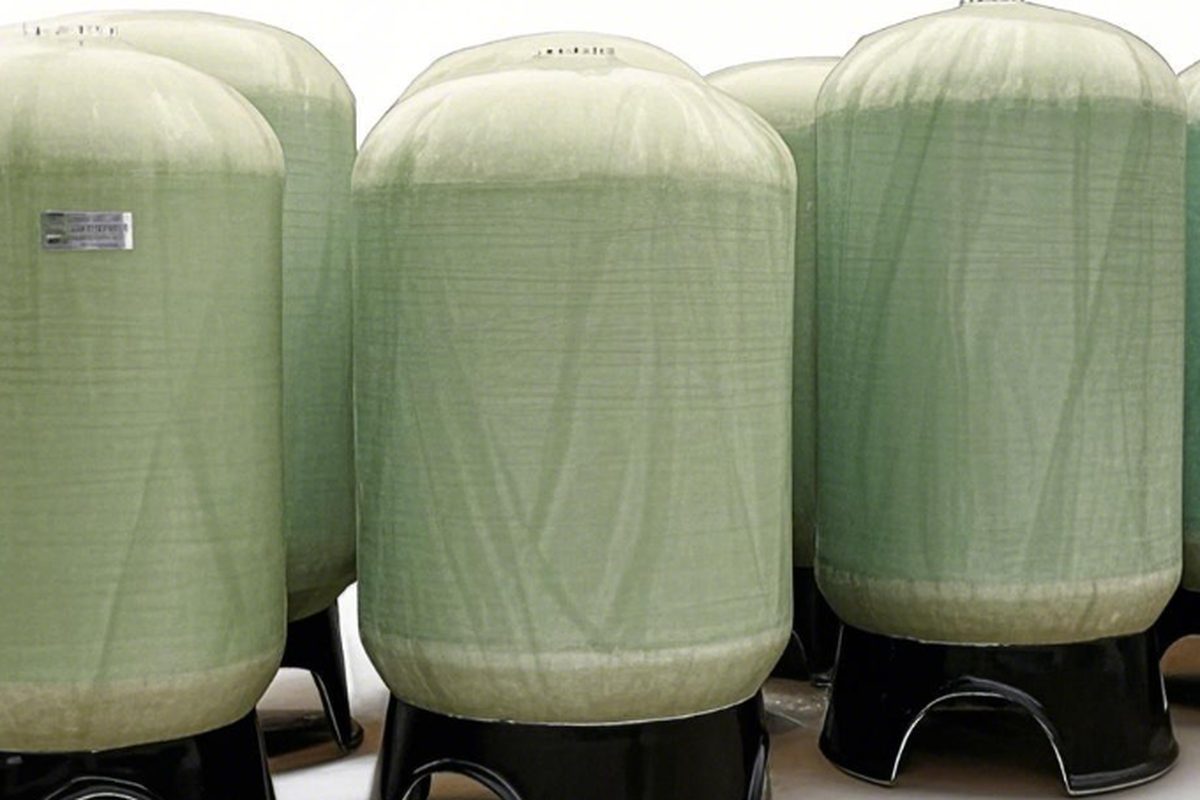
An FRP tank can be perfectly sound structurally and still be unusable for drinking water. Potable water approvals exist because materials in contact with drinking water can leach organics, metals or taste-active compounds into the supply - and the tests are specific, documented and unforgiving. For exporters, understanding what WRAS, NSF/ANSI 61 and their European cousins actually require is the difference between a smooth water-utility project and a container of tanks stuck at customs.
1. What the Approvals Actually Test
All potable-water schemes share a common logic: expose the material to water under defined conditions, then analyse what came out. The differences are in exposure ratios, test waters and pass criteria.
| Scheme | Region | Core Test Logic |
|---|---|---|
| WRAS (and BS 6920 basis) | UK | Taste, colour, turbidity, growth of aquatic microorganisms, extraction of metals and organics |
| NSF/ANSI 61 | North America, widely referenced | Exposure to formulated waters; organics and metals analysed against single-product limits |
| KTW / UBA guideline | Germany | Migration testing, positive list of starting substances |
| ACS | France | Migration plus reglementary list of monomers |
A laminate that passes one scheme usually passes close neighbours, but the certificates are not interchangeable: utilities buy the paper, not the chemistry. If your project country names a scheme, that scheme's certificate must exist for your specific resin system, not for "similar products".
2. Where FRP Can Fail: The Liner and the Cure
Structural glass and resin rarely cause potable failures - the inner surface does. Three variables decide whether an FRP surface is taste-neutral: resin selection, stoichiometry and cure. Unreacted monomers (styrene above all) are the classic taste and organics offender, and they come from under-catalysed laminate, insufficient post-cure, or wiping styrene-rich surfaces to make them look glossy. A properly formulated, fully cured vinyl ester or approved polyester liner will pass extraction tests comfortably; a rushed cure schedule will fail them. This is why potable projects specify: named resin, catalyst ratio, cure schedule with post-cure, and Barcol hardness verification before shipment - the hardness number is the field-checkable proxy for cure completion.
3. Specify the Whole Wetted System, Not Just the Resin
Certificates apply to the wetted surface as built, including every sealant and fitting the water touches:
| Component | Potable Requirement | Common Miss |
|---|---|---|
| Inner liner resin | Named, certified formulation | Vendor substitutes a "similar" resin at production |
| Gel coat / topcoat | Food-grade, low-styrene or styrene-free | Standard chemical topcoat used to save cost |
| Joint laminates on site | Same approved resin + procedure | Field crew brings unapproved repair resin |
| Gaskets, seals | WRAS/NSF 61 listed elastomer | Industrial EPDM installed instead of listed grade |
| Washers, bolts in contact | Corrosion-safe, listed where exposed | Galvanised hardware in contact with drinking water |
The utility's inspector will ask for the material submittal of every one of these lines. Build the package when you build the tank, not when the inspector arrives.
4. Taste and Odour: The Practical Failure
Formal pass or fail aside, most potable complaints are sensory: water that tastes or smells of styrene. Even laminates within formal limits can briefly influence taste in small, low-turnover tanks. Mitigations that work: styrene-free or low-monomer resins for the liner; extended post-cure; hot-water flushing and soak before handover (two to three fill-and-stand cycles, analysed for taste and TOC between); and avoiding glossy wipe-coats applied purely for appearance. For small pressure vessels and domestic-scale tanks, some manufacturers add an approved inner bag or coating - accepted by some schemes, rejected by others, so verify scheme-by-scheme.
5. The Documentation Package
Exporters should assemble a standard potable dossier per product family: scheme certificate listing the exact resin system; resin manufacturer's declaration and batch traceability; cure records (catalyst ratio, ambient, post-cure, Barcol values); factory flush and soak results; gasket and hardware submittals; and a signed declaration of conformity. Water utilities and their consultants issue long questionnaires - most answers already exist in the dossier, and the vendor who answers within a day looks, and is, organised.
6. Keeping Approval Through Production Changes
Approvals attach to a formulation and process. A resin substitution, a new liner applicator, or a changed cure schedule can silently void a certificate. The discipline that keeps you clean: any change to wetted-surface materials triggers a written change check against the certificate scope; certificates are tracked with expiry and renewal dates; and purchase orders for potable projects lock the resin brand and grade on the drawing itself, not in an email.
7. Common Project Questions Answered
| Question | Practical Answer |
|---|---|
| Is FRP inherently potable-safe? | No - approval is formulation-specific, laminate by laminate |
| Can one certificate cover many tank sizes? | Often yes within a product family; check the certificate scope |
| Does GRP pipe need the same approval? | Same scheme logic; pipe certificates are separate documents |
| How long does testing take? | Typically months - plan before tendering, not after award |
| Is "food grade" the same as potable approved? | No - food-grade labels do not substitute for WRAS/NSF 61 |
Related reading: FRP vs steel vs concrete water tanks, vertical FRP tank design, and our filament-wound water storage tanks.
Need help selecting FRP products?
Our engineers answer technical questions free of charge.
Ask an Engineer on WhatsApp