คลังความรู้และคู่มือทางเทคนิค FRP

คู่มือทางเทคนิคที่เขียนโดยทีมวิศวกรรมของเรา เพื่อช่วยคุณเลือก ติดตั้ง และบำรุงรักษาสินค้า FRP/GRP

ℹ️ บทความทางเทคนิคของเราเผยแพร่เป็นภาษาอังกฤษ เพื่อรักษาความสอดคล้องของศัพท์กับมาตรฐานสากล
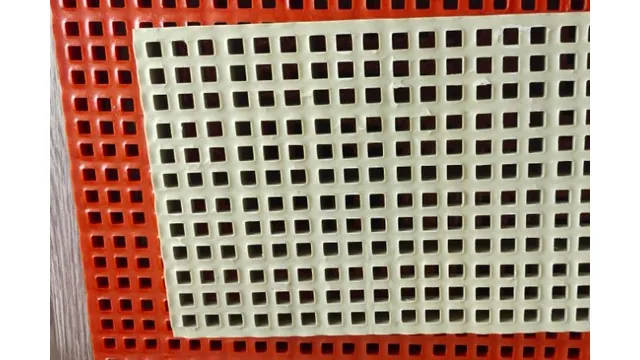
Heavy-Duty FRP Grating for Vehicle Areas: Wheel Loads, Spans and Frame Design

Heavy-Duty FRP Grating for Vehicle Areas: Wheel Loads, Spans and Frame Design

HL-93 wheel load math, tire patch pressure, span and deflection checks for heavy-duty FRP grating in vehicle areas, plus...

อ่านต่อ →
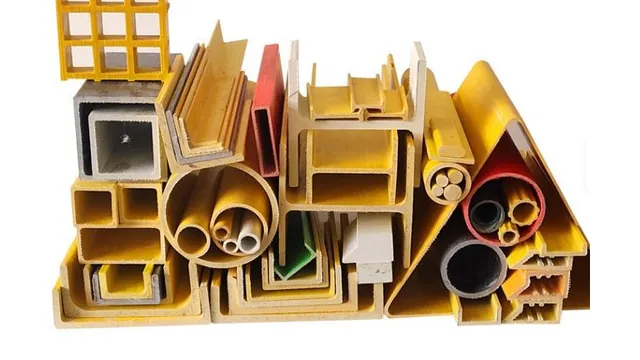
FRP Wrap Strengthening for Steel and Concrete: Design and Surface Prep

FRP Wrap Strengthening for Steel and Concrete: Design and Surface Prep

ACI 440.2R debonding strain limits, CE factors and redundancy checks for FRP wraps, plus concrete CSP 3-4 prep, steel Sa 2.5...

อ่านต่อ →
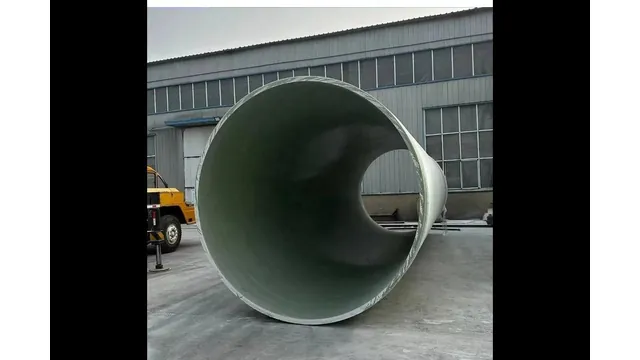
FRP and GRP Pipe Field Repair: Clamps, Overwraps and Section Replacement

FRP and GRP Pipe Field Repair: Clamps, Overwraps and Section Replacement

Classify GRP pipe damage, compare clamps, ISO 24817 overwraps and section replacement, and see a full DN400 repair calculation...

อ่านต่อ →
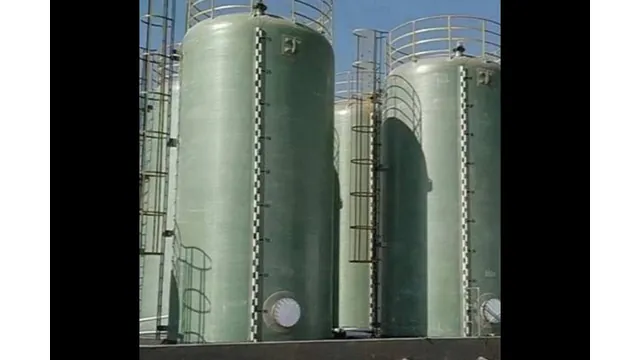
FRP Tank Cleaning and Confined Space Entry: Permits, Gas Testing and Ventilation

FRP Tank Cleaning and Confined Space Entry: Permits, Gas Testing and Ventilation

Permit rules, gas-testing order, styrene and H2S thresholds, ventilation sizing math and laminate-safe cleaning for entering...

อ่านต่อ →

Firestop Penetration Seals in Industrial Buildings: Boards, Wraps and Sealants That Pass Inspection

Firestop Penetration Seals in Industrial Buildings: Boards, Wraps and Sealants That Pass Inspection

Firestop penetration seal guide: ASTM E814 F/T vs EN 1366-3 EI ratings, seal selection by service, board plug sizing and the...

อ่านต่อ →
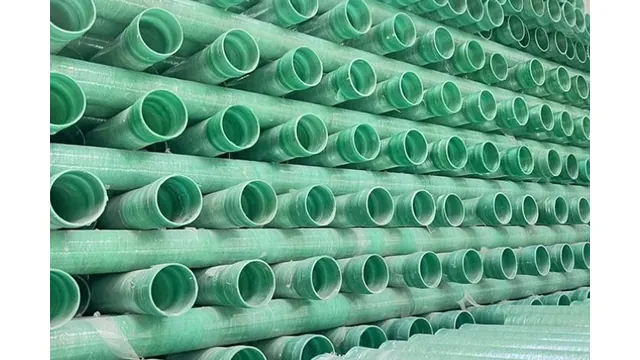
GRP Pipe Buoyancy Control in High Groundwater: Uplift Checks, Weights and Anchors

GRP Pipe Buoyancy Control in High Groundwater: Uplift Checks, Weights and Anchors

GRP pipe buoyancy design: DNV-RP-F109 FS 1.1 empty-pipe check, soil cover limits, saddle spacing, anchors, water-filling and...

อ่านต่อ →
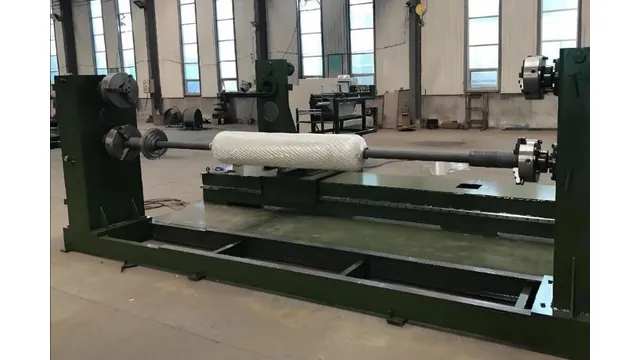
On-Site Filament Winding for Large FRP Tanks: Equipment and Field QC

On-Site Filament Winding for Large FRP Tanks: Equipment and Field QC

Site winding of large FRP tanks explained: transport limits, vertical and horizontal winders, liner-as-mandrel, dew point...

อ่านต่อ →
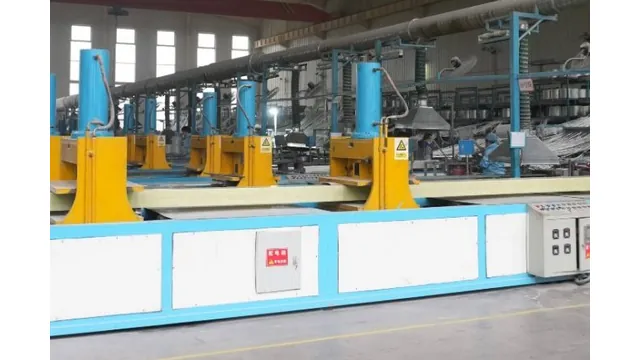
Resin Storage and Shop Handling: Shelf Life, Styrene and Batch Records

Resin Storage and Shop Handling: Shelf Life, Styrene and Batch Records

Control resin shelf life, viscosity, styrene exposure and MEKP storage in an FRP shop, with OELs, dilution volumes, gel time...

อ่านต่อ →
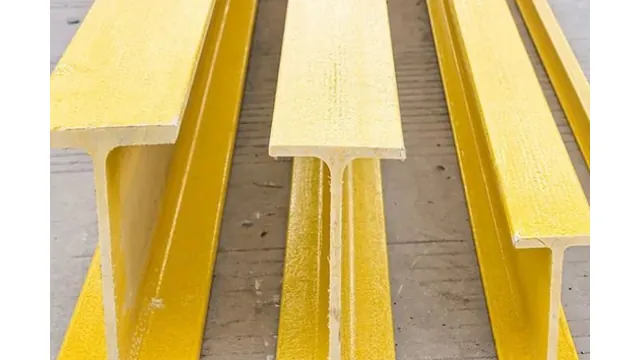
Web Crippling and Bearing Checks for Pultruded FRP Beams: Stiffeners and Load Introductions

Web Crippling and Bearing Checks for Pultruded FRP Beams: Stiffeners and Load Introductions

Design guide to web crippling and bearing checks in pultruded FRP beams: crushing and buckling models with worked numbers,...

อ่านต่อ →
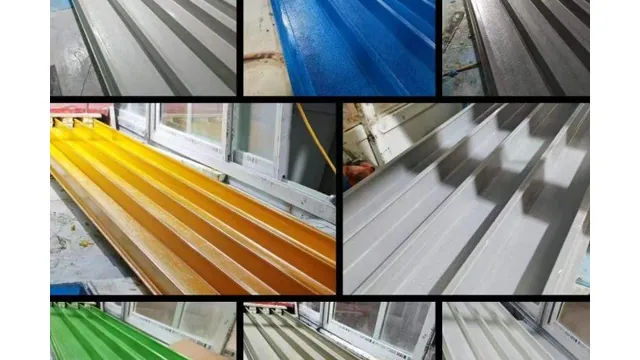
Rooftop FRP Walkway Systems: Wind Uplift, Dead Load and Support Spans

Rooftop FRP Walkway Systems: Wind Uplift, Dead Load and Support Spans

Rooftop FRP walkway design guide: EN 1991-1-1 Category H loads, ASCE 7-22 uplift zones, per-clip demand tables, pultruded...

อ่านต่อ →
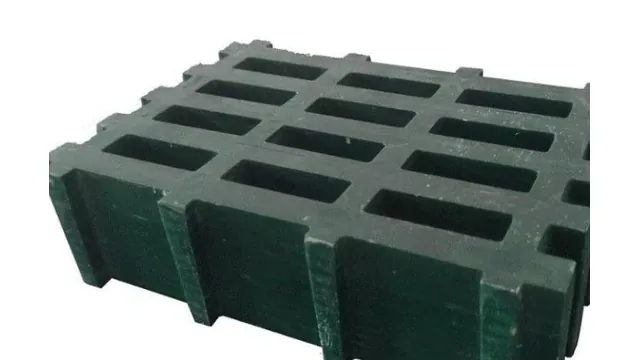
FRP Grating in Cold Climates: Snow Loads, Ice and De-icing Salt Design Guide

FRP Grating in Cold Climates: Snow Loads, Ice and De-icing Salt Design Guide

Design guide for FRP grating in cold climates: ASCE 7-22 snow and ice loads, freeze-thaw durability data, de-icing salt...

อ่านต่อ →
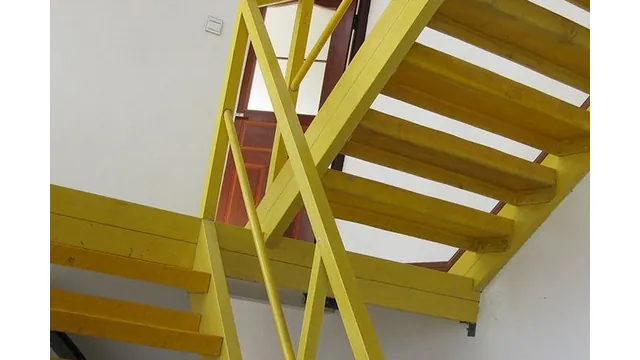
FRP Fencing and Enclosure Panels for Substations and Utilities: Design and Specification Guide

FRP Fencing and Enclosure Panels for Substations and Utilities: Design and Specification Guide

FRP fencing and enclosure panels for substations: non-conductive RF-transparent panels, certified ASTM values, worked wind...

อ่านต่อ →
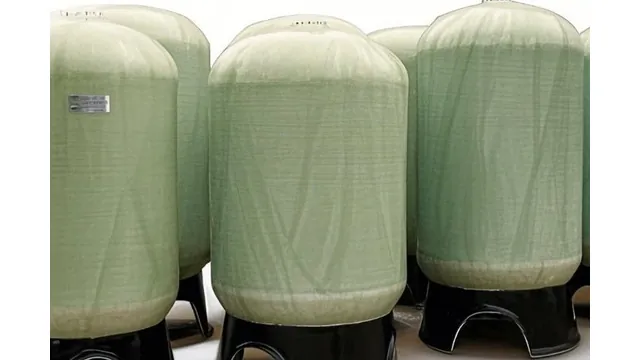
FRP Tank Hydrotest and First-Fill: Fill Rates, Settlement and Acceptance

FRP Tank Hydrotest and First-Fill: Fill Rates, Settlement and Acceptance

FRP/GRP tank hydrotest and first-fill done right: API 12P hold times and standpipe, staged fill rates, settlement surveys,...

อ่านต่อ →
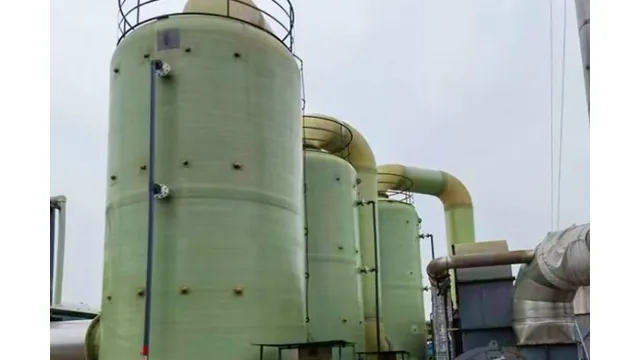
FRP Tank Level Measurement and Overfill Protection: Gauges, Vents and Alarms

FRP Tank Level Measurement and Overfill Protection: Gauges, Vents and Alarms

Overfill protection for FRP tanks per API 2350: categories and response times, radar and magnetic gauges, independent...

อ่านต่อ →
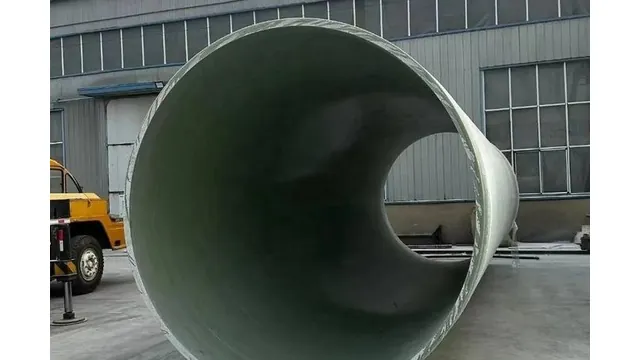
FRP Pipe for FGD Slurry Service: Abrasion, Chloride and Liner Design That Lasts

FRP Pipe for FGD Slurry Service: Abrasion, Chloride and Liner Design That Lasts

Specify FRP pipe for FGD slurry service: the 1.5-2.4 m/s velocity window, 100-mil erosion barriers, vinyl ester resins, ASTM...

อ่านต่อ →
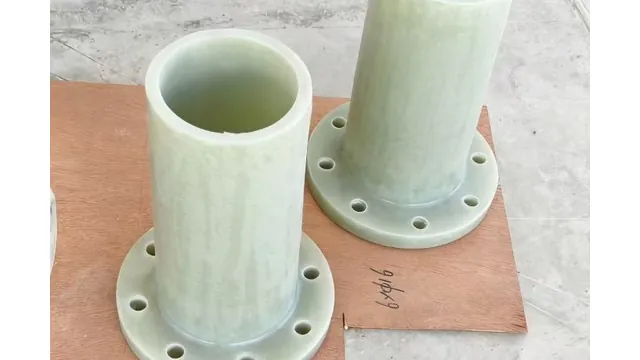
FRP Pipe Flange Installation: Gaskets, Bolt Torque and Alignment Done Right

FRP Pipe Flange Installation: Gaskets, Bolt Torque and Alignment Done Right

Install FRP pipe flanges right: full-face gaskets by temperature, ISO 14692-4 alignment tolerances, torque tables,...

อ่านต่อ →
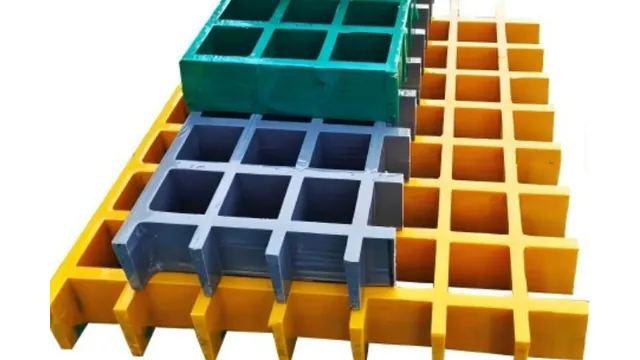
FRP Grating in Swimming Pools and Water Parks: Chlorine, Slip and UV Selection Guide

FRP Grating in Swimming Pools and Water Parks: Chlorine, Slip and UV Selection Guide

FRP grating for swimming pools and water parks: DIN 19643 chlorine chemistry, HOCl resin attack, DIN 51097 slip classes A-C,...

อ่านต่อ →

Refractory Selection for Waste-to-Energy and Biomass Boilers: Alkali, Chlorine and Ash Corrosion

Refractory Selection for Waste-to-Energy and Biomass Boilers: Alkali, Chlorine and Ash Corrosion

WtE and biomass refractory guide: IED 850 C for 2 s, alkali and chlorine attack mechanisms, alkali cup testing, SiC versus...

อ่านต่อ →
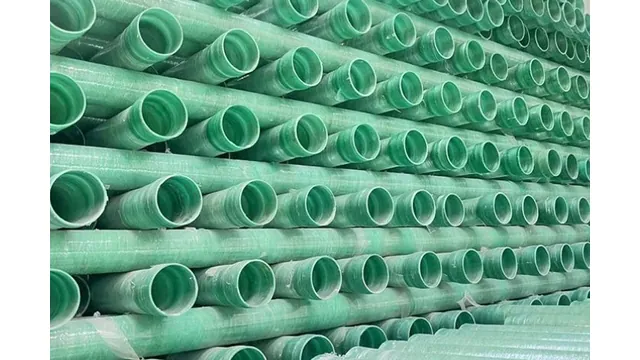
FRP Pipe for District Heating and Cooling Networks: Temperature, Insulation and Movement

FRP Pipe for District Heating and Cooling Networks: Temperature, Insulation and Movement

GRP pipe in district heating and cooling: resin temperature limits, pressure derating and surge, EN 253 boundary, jacking...

อ่านต่อ →
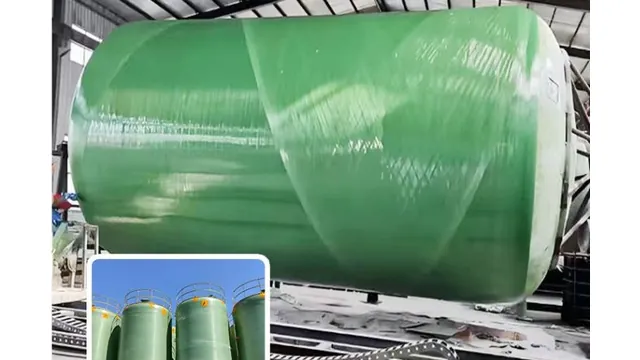
FRP Spray-Up and Chopper Gun Setup: Catalyst Ratio, Glass Content and Compaction

FRP Spray-Up and Chopper Gun Setup: Catalyst Ratio, Glass Content and Compaction

Chopper gun spray-up setup guide: MEKP catalyst ratio and pot life, 30 s weighed calibration, glass content windows, coverage...

อ่านต่อ →
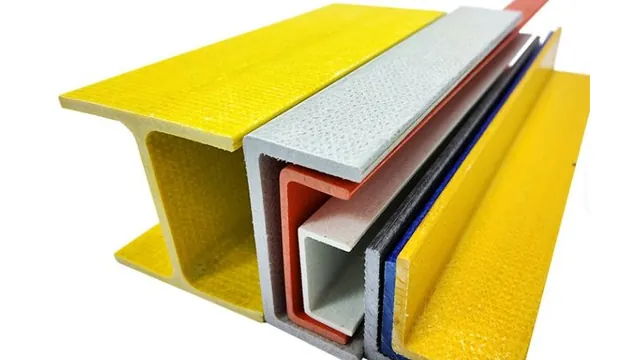
Pultruded FRP Cooling Tower Structure: Wind, Fill Loads and Connections

Pultruded FRP Cooling Tower Structure: Wind, Fill Loads and Connections

Design guide for pultruded FRP cooling tower structures: load inventory, ASCE 7-22 open-frame wind forces, fan deck resonance,...

อ่านต่อ →
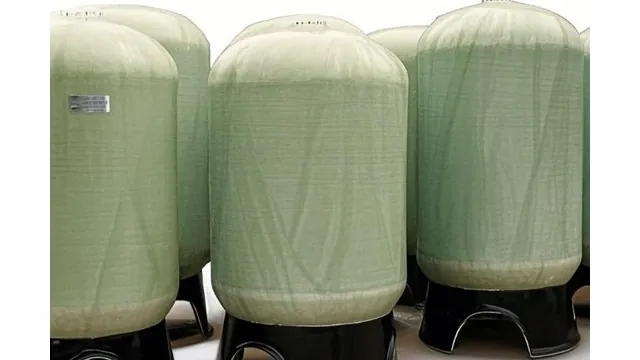
FRP Tanks for Biodiesel, Glycerine and FAME Storage: Permeation and Liner Choice

FRP Tanks for Biodiesel, Glycerine and FAME Storage: Permeation and Liner Choice

FRP tank design for biodiesel (FAME) and glycerine storage: EN 14214 limits, NFPA 30 classes, FAME permeation, resin selection...

อ่านต่อ →
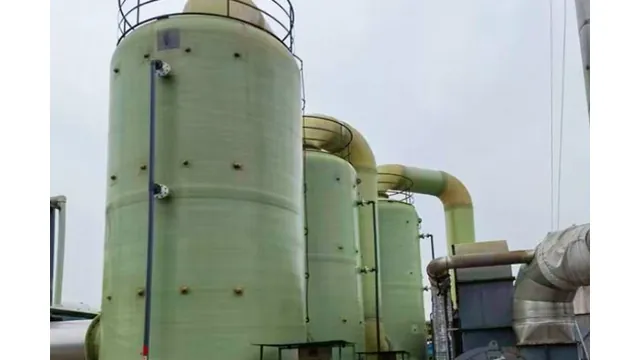
Vacuum and External Pressure Design for FRP Tanks and Vessels: Stiffener Rings, Buckling and Acceptance

Vacuum and External Pressure Design for FRP Tanks and Vessels: Stiffener Rings, Buckling and Acceptance

FRP tank vacuum design: five load cases, RTP-1 and EN 13121-3 buckling factors, shell screening math, stiffener ring inertia...

อ่านต่อ →
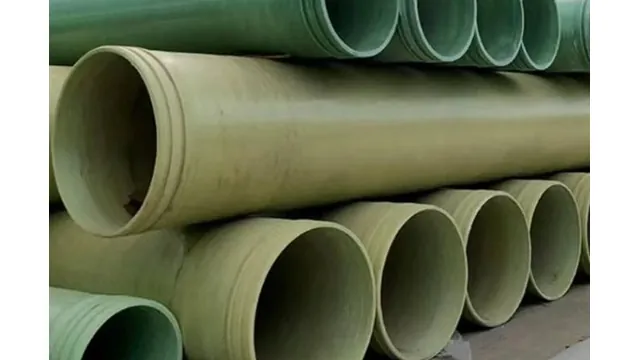
FRP Piping for Hydrofluoric and Fluorosilicic Acid: Glass Attack, Barriers and Lining Choice

FRP Piping for Hydrofluoric and Fluorosilicic Acid: Glass Attack, Barriers and Lining Choice

HF and fluorosilicic acid attack glass fibre, not just resin. Barrier options, stoichiometry, material limits, pipe detailing,...

อ่านต่อ →
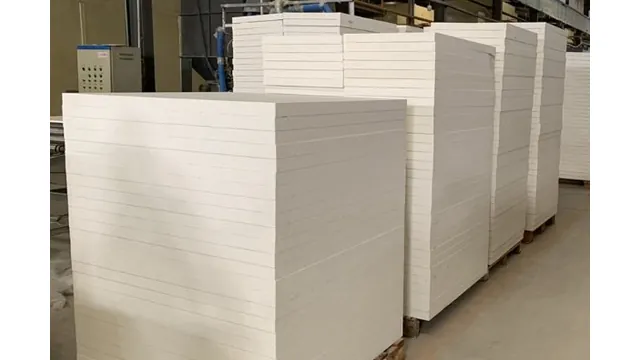
Refractory Gunning and Shotcrete Repair: Mix Design, Nozzle Technique and Adhesion

Refractory Gunning and Shotcrete Repair: Mix Design, Nozzle Technique and Adhesion

Refractory gunning and shotcrete repair guide: ASTM C401 mix class, nozzle water, rebound cost, anchor cover, bond testing and...

อ่านต่อ →
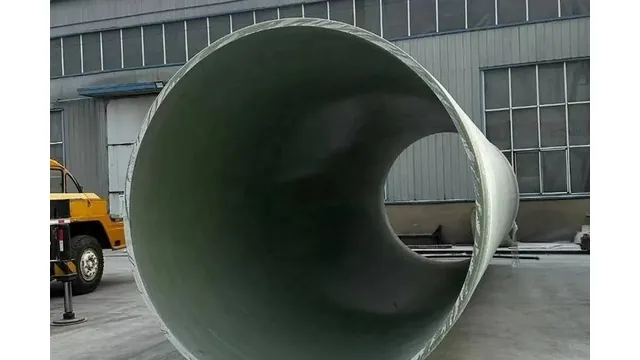
Hydrotest Water Quality for FRP and GRP Equipment: Chloride, Temperature and Drying

Hydrotest Water Quality for FRP and GRP Equipment: Chloride, Temperature and Drying

Hydrotest water for FRP and GRP: chloride limits, temperature drift of 4.5 bar/K, osmotic blister risk, free chlorine dose...

อ่านต่อ →
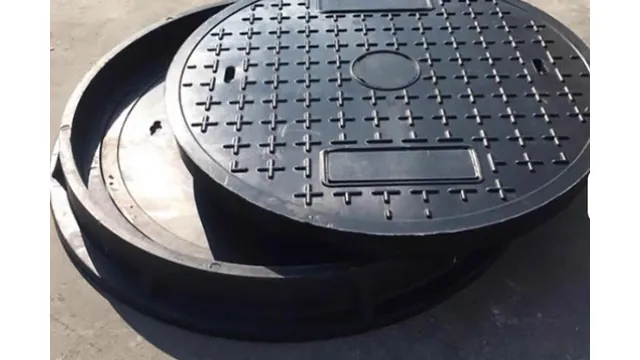
SMC and BMC Compression Moulding for FRP Covers: Charge, Temperature and Porosity

SMC and BMC Compression Moulding for FRP Covers: Charge, Temperature and Porosity

How charge pattern, maturation, mould temperature and venting decide whether an SMC or BMC cover comes out flat, dense and...

อ่านต่อ →
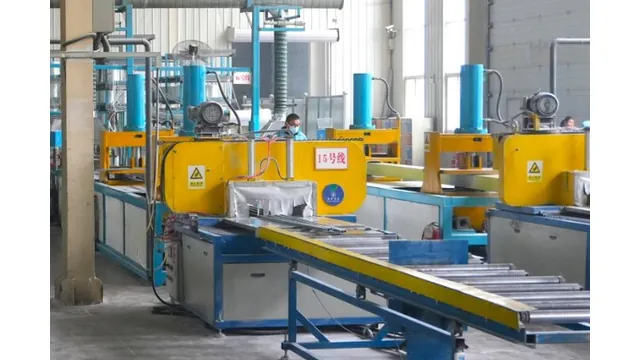
Pultrusion Surface Defects: Blisters, Die Lines, Dry Spots and Pull Marks

Pultrusion Surface Defects: Blisters, Die Lines, Dry Spots and Pull Marks

Diagnose pultrusion blisters, dry spots, die lines and cracks by position and timing, with die temperature, residence time and...

อ่านต่อ →
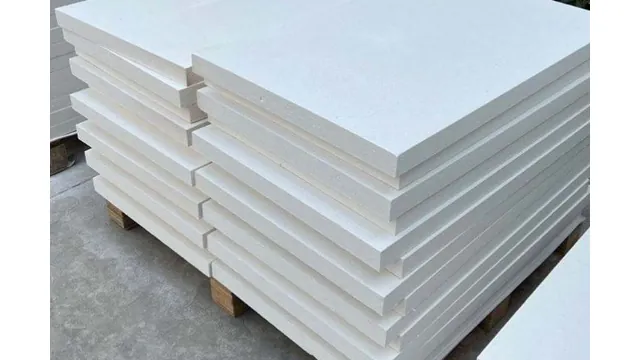
Ceramic Fibre Board: Density, Binder Type and Shrinkage for Furnace Zones

Ceramic Fibre Board: Density, Binder Type and Shrinkage for Furnace Zones

Specifying ceramic fibre board by density, binder type and permanent linear change at the real hot-face temperature, with...

อ่านต่อ →
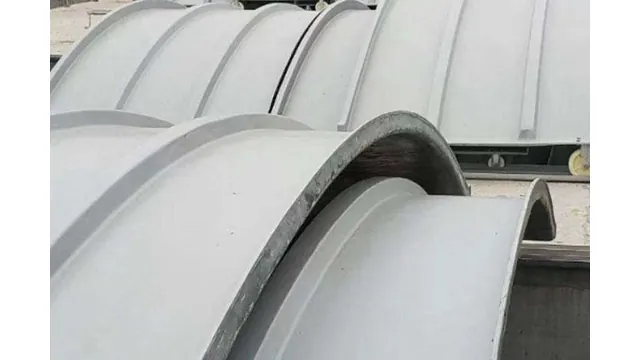
FRP Tank Covers and Odour-Control Hoods: H2S, Loads and Sealing

FRP Tank Covers and Odour-Control Hoods: H2S, Loads and Sealing

Designing FRP tank covers and odour hoods: headspace H2S chemistry, resin barriers, live and vacuum loads, EN 124 classes,...

อ่านต่อ →
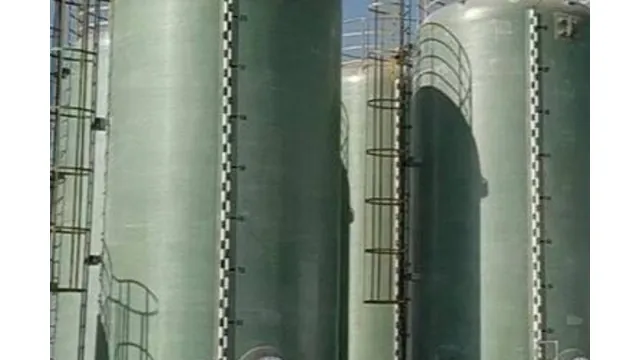
Wet Chlorine and Chlor-Alkali Service for FRP: Dry vs Wet Gas, Resin Limits and Safety

Wet Chlorine and Chlor-Alkali Service for FRP: Dry vs Wet Gas, Resin Limits and Safety

How FRP behaves in chlor-alkali service: the 150 ppm dry/wet chlorine boundary, resin and liner limits, temperature ceilings,...

อ่านต่อ →
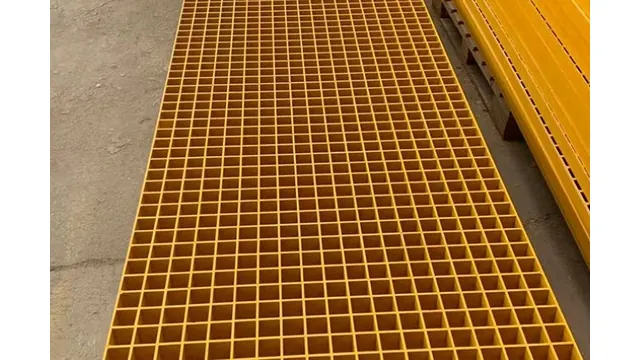
FRP Grating and Profiles in Shipyards and Dry Docks: Impact, Slip and Blast Cleaning

FRP Grating and Profiles in Shipyards and Dry Docks: Impact, Slip and Blast Cleaning

Specifying FRP grating for shipyards and dry docks: ASTM F3059 impact, fire and slip criteria, abrasive blast protection,...

อ่านต่อ →
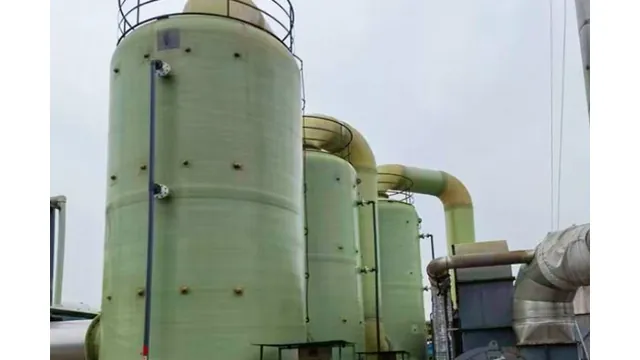
Seismic Restraint of FRP Tanks and Vessels: Base Rings, Anchor Bolts and Sway Bracing

Seismic Restraint of FRP Tanks and Vessels: Base Rings, Anchor Bolts and Sway Bracing

Seismic design of FRP tanks and vessels: ASCE 7-22 impulsive and convective forces, freeboard effects, AWWA D103 bolt sizing...

อ่านต่อ →
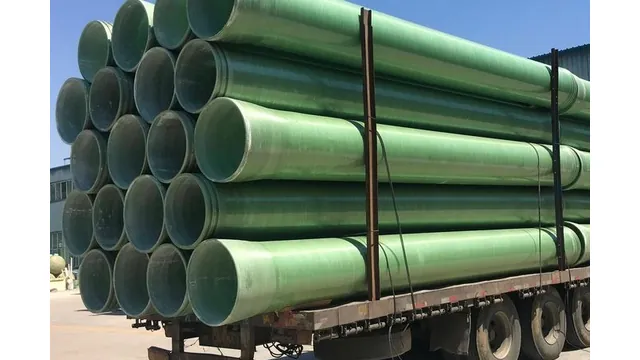
FRP Ductwork Expansion Joints and Flexible Connections: Movement, Guides and Flange Loads

FRP Ductwork Expansion Joints and Flexible Connections: Movement, Guides and Flange Loads

Size FRP duct expansion joints correctly: thermal movement, belt selection, anchor and guide spacing, pressure thrust, flange...

อ่านต่อ →

Refractory Lining Inspection and Remaining-Life Assessment: Survey, Mapping and Repair Planning

Refractory Lining Inspection and Remaining-Life Assessment: Survey, Mapping and Repair Planning

How to inspect a refractory lining and forecast its remaining life: thickness surveys, hammer and IR mapping, crack and spall...

อ่านต่อ →
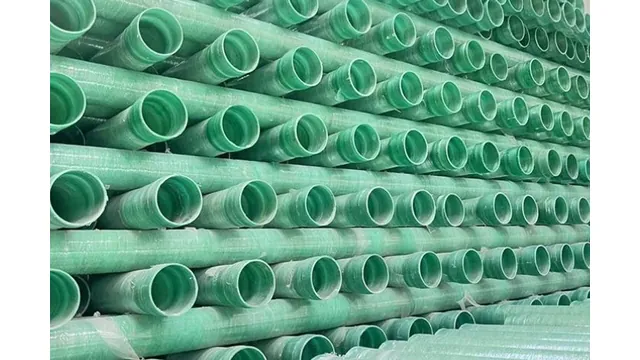
Thrust and Anchor Block Design for Buried GRP Pipelines: Soil Friction, Bends and Restraint

Thrust and Anchor Block Design for Buried GRP Pipelines: Soil Friction, Bends and Restraint

How to design thrust restraint for buried GRP pipe: thrust at bends, tees and dead ends, thrust block bearing area, restrained...

อ่านต่อ →
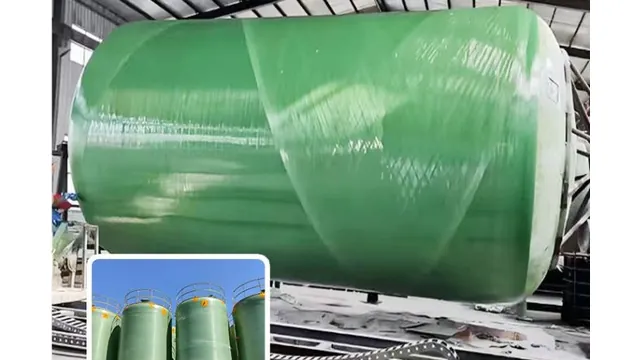
Factory Acceptance Testing of FRP Equipment: Witness Points, Documentation and Punch Lists

Factory Acceptance Testing of FRP Equipment: Witness Points, Documentation and Punch Lists

How to run an FRP factory acceptance test: ITP witness and hold points, Barcol and glass content checks, hydrostatic test...

อ่านต่อ →
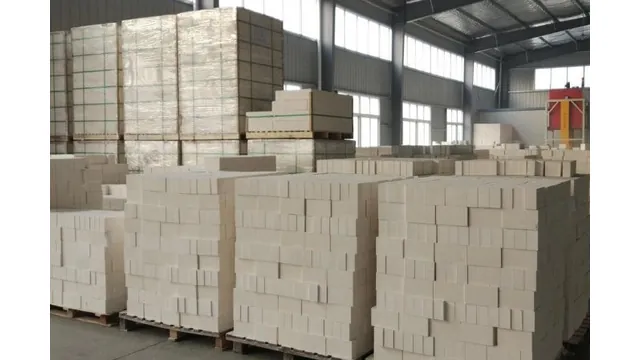
Insulating Firebrick Grade Selection: Temperature Class, Density and Lining Design

Insulating Firebrick Grade Selection: Temperature Class, Density and Lining Design

How insulating firebrick grades are classified under ASTM C155, ISO 2245 and GB/T 35845, how to pick the hot-face grade and...

อ่านต่อ →
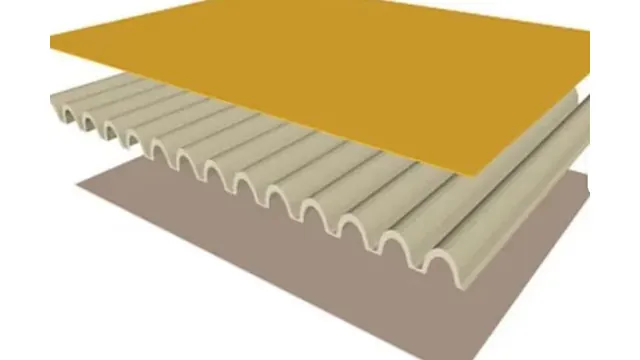
Blast-Resistant and Impact-Resistant FRP Panels: Design Basis, Load Regimes and Testing

Blast-Resistant and Impact-Resistant FRP Panels: Design Basis, Load Regimes and Testing

How FRP blast and impact panels are designed and tested: load regimes, core shear and bond limits, NFPA 68 vent sizing, and EN...

อ่านต่อ →
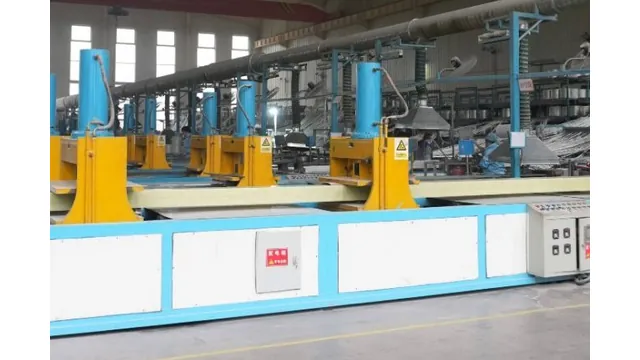
FRP Composite Waste and Recycling: Grinding, Pyrolysis and Reuse in Production

FRP Composite Waste and Recycling: Grinding, Pyrolysis and Reuse in Production

Cured FRP waste and recycling: TOC and landfill thresholds, mechanical grinding, pyrolysis and cement co-processing, recyclate...

อ่านต่อ →
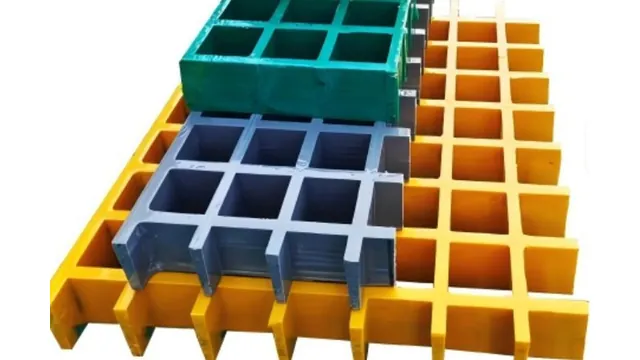
FRP Grating and Profiles in Data Centres and Battery Rooms: Insulation, Cleanliness and Fire

FRP Grating and Profiles in Data Centres and Battery Rooms: Insulation, Cleanliness and Fire

Insulation data, IEC 60664-1 creepage, battery room hydrogen ventilation, ISO 14644 cleanliness, fire ratings and EN 12825...

อ่านต่อ →
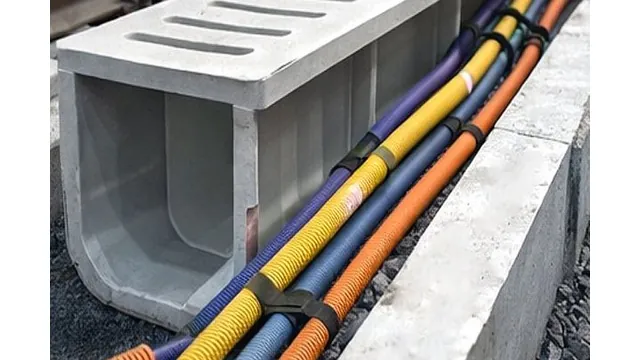
Pultruded FRP Profiles in Rail and Transit Infrastructure: Stray Current, Vibration and Fastening

Pultruded FRP Profiles in Rail and Transit Infrastructure: Stray Current, Vibration and Fastening

EN 50122-2 stray current criteria, EN 50122-1 touch voltage limits, fatigue at 10^7 cycles, thermal movement and EN 1992-4...

อ่านต่อ →
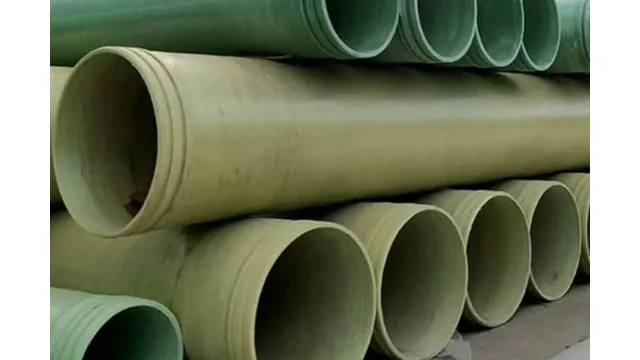
FRP Piping for Hydrogen, Ammonia and CO2 Service: Permeation, Liners and Qualification

FRP Piping for Hydrogen, Ammonia and CO2 Service: Permeation, Liners and Qualification

Code limits, liner permeation rates, ISO 23936-4 composite qualification and decompression testing for FRP piping in hydrogen,...

อ่านต่อ →
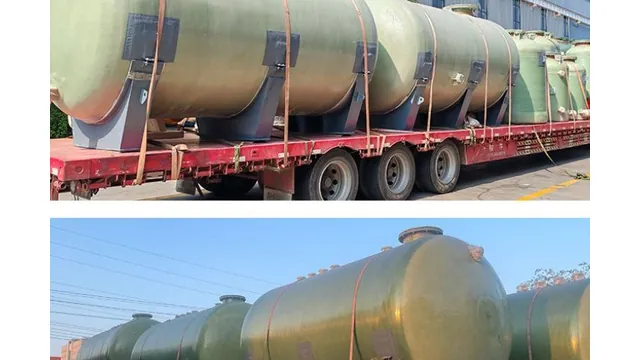
FRP Tanks for Liquid Fertiliser and UAN Storage: Materials, Corrosion and Bunding

FRP Tanks for Liquid Fertiliser and UAN Storage: Materials, Corrosion and Bunding

UAN grade data, FRP resin temperature ceilings, shell design at 1.33 SG, salt-out control, sludge pitting prevention and...

อ่านต่อ →
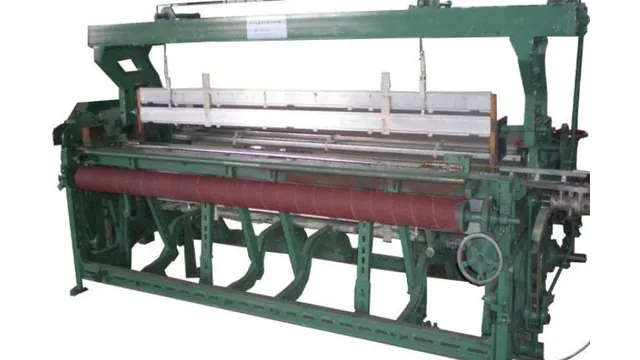
Fiberglass Mesh Manufacturing: Yarn Warping, Sizing, Loom Setup and Quality Control

Fiberglass Mesh Manufacturing: Yarn Warping, Sizing, Loom Setup and Quality Control

Make fibreglass mesh properly: tex-to-gram-per-square-metre arithmetic, warping tension, sizing pick-up, loom and oven...

อ่านต่อ →
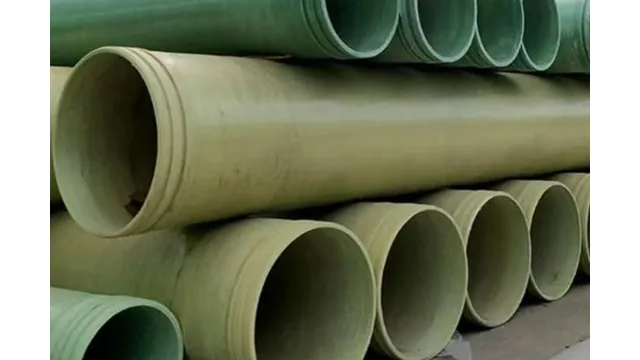
FRP Piping for Oilfield Produced Water and Salt Water Disposal: Sour Service, High TDS and Joint Selection

FRP Piping for Oilfield Produced Water and Salt Water Disposal: Sour Service, High TDS and Joint Selection

Specify FRP pipe for oilfield produced water and salt water disposal: API 15LR vs 15HR, sour-service resin choice, joint...

อ่านต่อ →
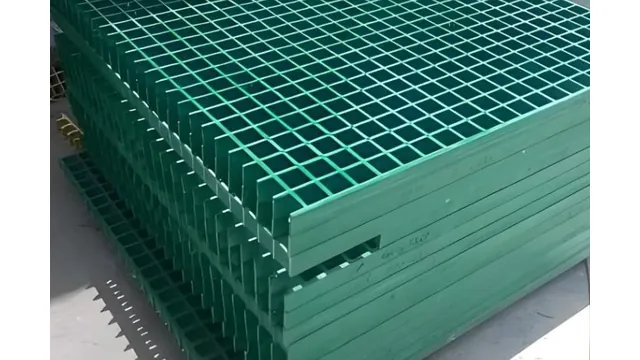
FRP Grating and Profiles on Offshore and Marine Platforms: Seawater, Slip and Fire Integrity

FRP Grating and Profiles on Offshore and Marine Platforms: Seawater, Slip and Fire Integrity

Specify FRP grating offshore: ISO 9223 corrosion rates, ISO 24681 and EN ISO 14122 load and deflection limits, DIN 51130 slip...

อ่านต่อ →
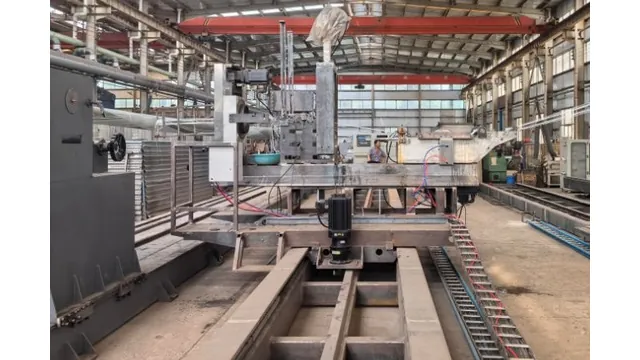
FRP Utility Poles and Crossarms: Wind and Ice Loads, Embedment and Testing

FRP Utility Poles and Crossarms: Wind and Ice Loads, Embedment and Testing

Design FRP utility poles and crossarms: NESC Rule 250B/250C/250D load cases, ANSI O5.1 classes, wood-equivalent strength...

อ่านต่อ →
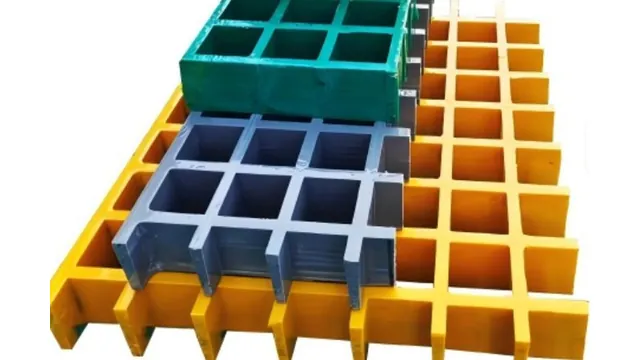
FRP Grating and Handrail in Electrical Substations: Step and Touch Potential Design Guide

FRP Grating and Handrail in Electrical Substations: Step and Touch Potential Design Guide

Specify FRP grating for substations: IEEE 80 step and touch voltage limits, gravel surface derating, static-dissipative...

อ่านต่อ →
FRP Vessels and Tanks to ASME Section X and RTP-1: Class I, Class II and Certification Rules

FRP Vessels and Tanks to ASME Section X and RTP-1: Class I, Class II and Certification Rules

Choose the right code for FRP tanks: ASME Section X Class I vs Class II, ASME RTP-1 scope and design factors, laminate types,...

อ่านต่อ →
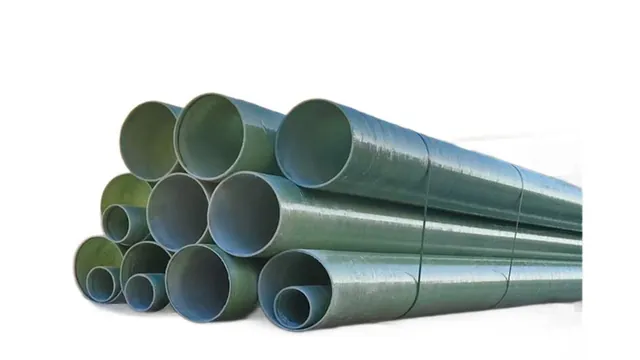
Free-Standing FRP Stacks and Chimneys: Wind, Vortex Shedding and Guy Support Design

Free-Standing FRP Stacks and Chimneys: Wind, Vortex Shedding and Guy Support Design

Design a free-standing FRP stack: ASCE 7-22 wind loads, EN 1991-1-4 vortex shedding and Scruton checks, strake geometry,...

อ่านต่อ →
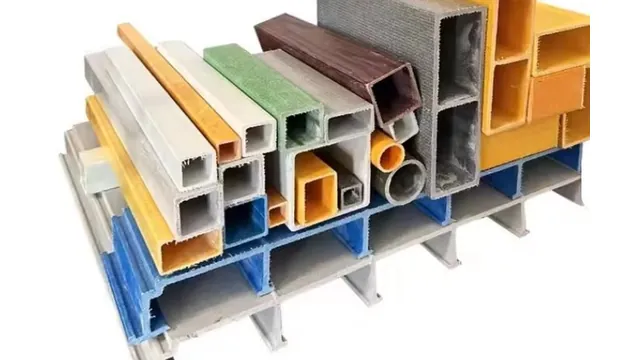
Pultruded FRP Window and Facade Frames: Thermal Break, Condensation and Fixing

Pultruded FRP Window and Facade Frames: Thermal Break, Condensation and Fixing

Specify pultruded FRP window and facade frames: EN 13706-3 E23 data, EN ISO 10077-1 U-value arithmetic, fRsi condensation...

อ่านต่อ →
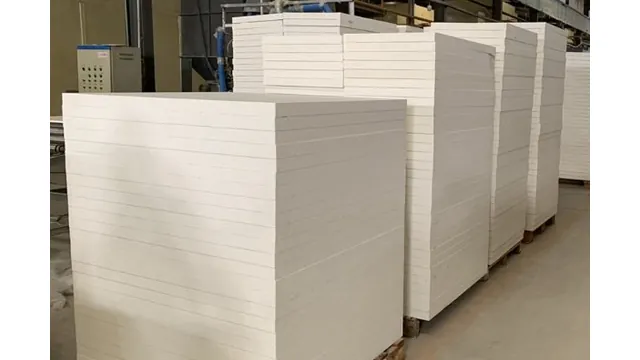
Ceramic Fibre Linings for Aluminium Melting and Holding Furnaces: Attack, Coatings and Dry-Out

Ceramic Fibre Linings for Aluminium Melting and Holding Furnaces: Attack, Coatings and Dry-Out

Ceramic fibre linings for aluminium melting and holding furnaces: the attack mechanisms, the pore-size criterion, the silicon...

อ่านต่อ →
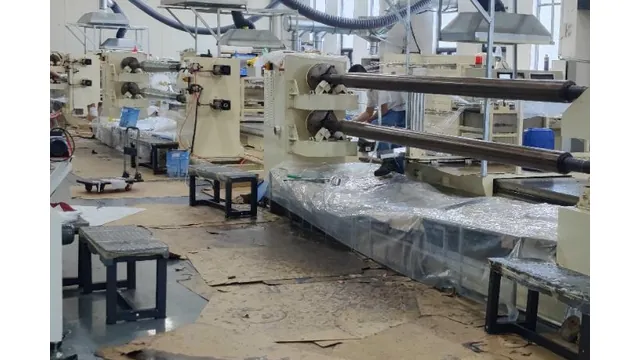
Filament Winding Mandrels: Design, Taper and Extraction for Tanks, Pipes and Poles

Filament Winding Mandrels: Design, Taper and Extraction for Tanks, Pipes and Poles

Filament winding mandrel design: the pressure the winding puts on the mandrel, shell buckling against wall thickness, sag and...

อ่านต่อ →
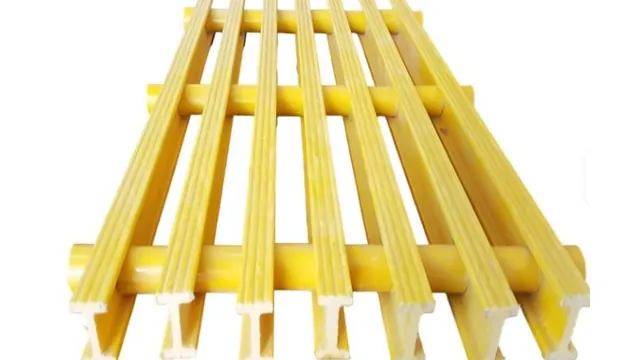
Pultruded FRP Pipe Racks: Bents, Bracing, Fire Protection and Cable Routing

Pultruded FRP Pipe Racks: Bents, Bracing, Fire Protection and Cable Routing

Pultruded FRP pipe rack design: why moment frames fail on sway, tension-only X-bracing, the anchor loads that size the brace,...

อ่านต่อ →
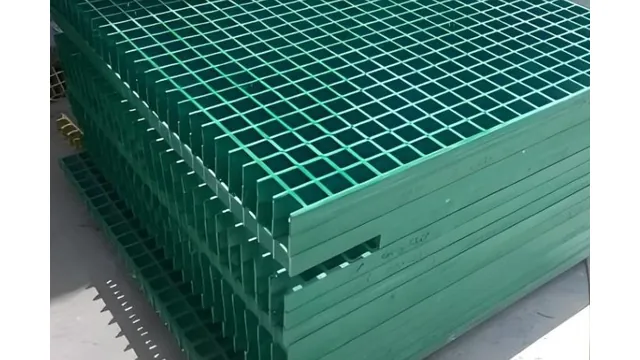
FRP Grating and Structures in Pulp and Paper Mills: Chlorine Dioxide, Caustic and Washdown

FRP Grating and Structures in Pulp and Paper Mills: Chlorine Dioxide, Caustic and Washdown

FRP grating and structures in pulp and paper mills: zone-by-zone chemistry, resin selection, a span and deflection check and a...

อ่านต่อ →
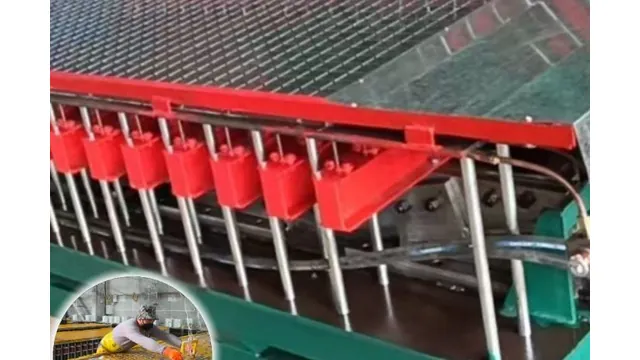
FRP Grating Moulding Machine Operation: Mould Design, Cycle Time and Temperature Control

FRP Grating Moulding Machine Operation: Mould Design, Cycle Time and Temperature Control

FRP moulded grating machine operation: mould bar design, cycle time versus panel thickness, a worked 1220 x 3660 mm line and...

อ่านต่อ →
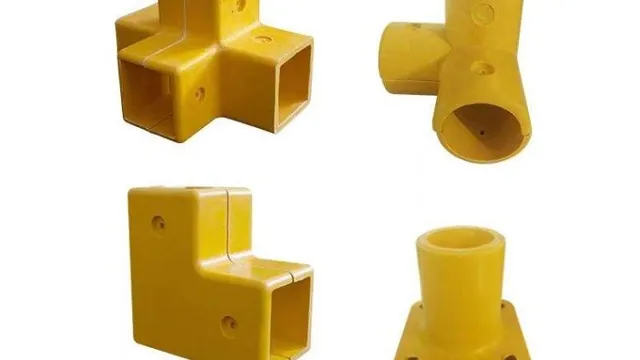
FRP Manifolds and Header Laterals for Water and Wastewater Treatment: Layout, Fabrication and Support

FRP Manifolds and Header Laterals for Water and Wastewater Treatment: Layout, Fabrication and Support

FRP manifold and header-lateral design for water treatment: configuration choice, why far laterals get more flow, a 100 m3/h...

อ่านต่อ →
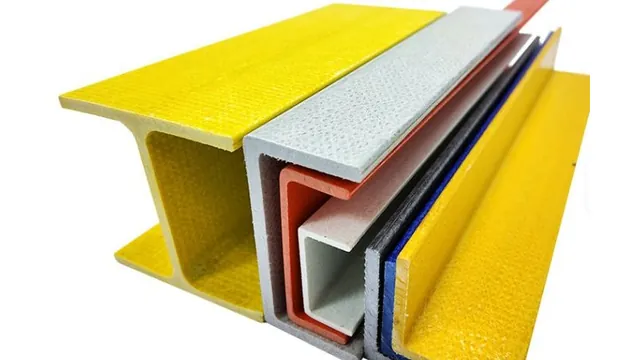
Pultruded FRP Trusses and Space Frames: Node Detailing and Deflection Control

Pultruded FRP Trusses and Space Frames: Node Detailing and Deflection Control

Pultruded FRP truss design guide: EN 13706 E23 grades, chord buckling, unit-load deflection with creep factors, and bolted...

อ่านต่อ →
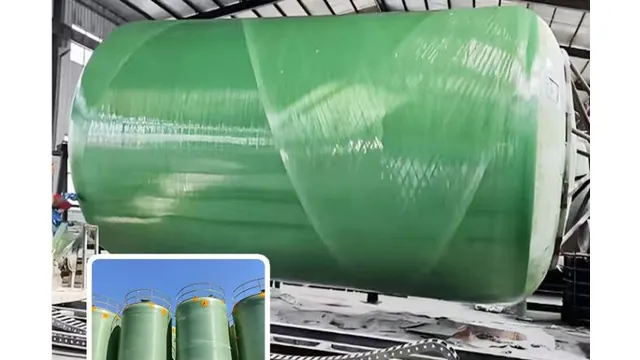
FRP Filament Winding Machine Commissioning: Mandrel Prep, Resin Bath and Tension Setup

FRP Filament Winding Machine Commissioning: Mandrel Prep, Resin Bath and Tension Setup

Commission a filament winding machine: geometry checks, mandrel release, resin bath viscosity, fibre tension calibration, cure...

อ่านต่อ →
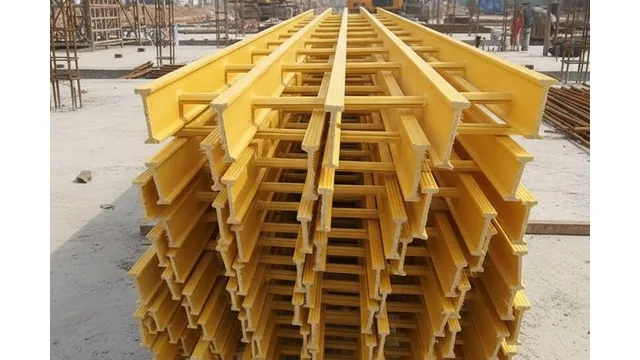
Pultruded FRP Compression Members: Local Buckling, Global Buckling and Effective Length

Pultruded FRP Compression Members: Local Buckling, Global Buckling and Effective Length

Pultruded FRP compression members: local plate buckling, Engesser-corrected Euler buckling, the interaction between them and...

อ่านต่อ →
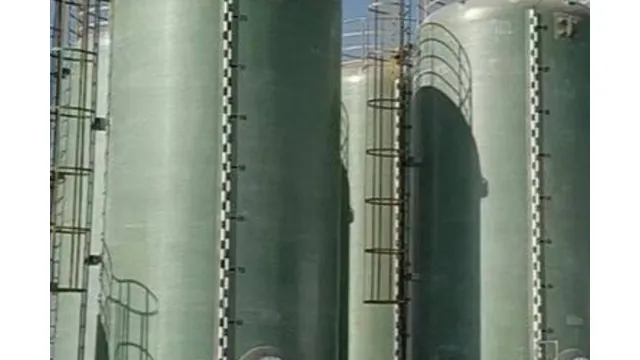
FRP Storage Tanks for Sodium Hypochlorite and Hypochlorous Acid: Resin Choice, Degradation and Venting

FRP Storage Tanks for Sodium Hypochlorite and Hypochlorous Acid: Resin Choice, Degradation and Venting

FRP storage tank design for sodium hypochlorite: vinyl ester resin and cobalt-free cure, corrosion barrier thickness, a worked...

อ่านต่อ →
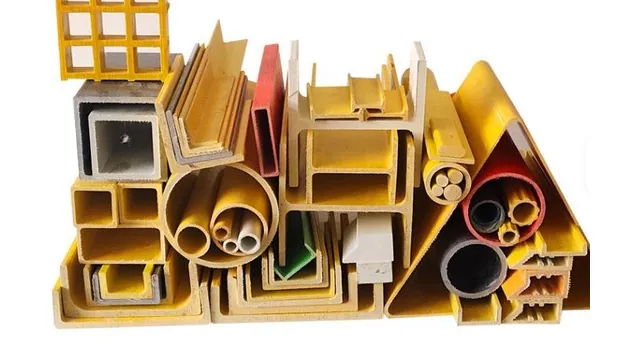
FRP Structural Adhesive Bonding: Surface Preparation, Joint Geometry and Redundant Load Paths

FRP Structural Adhesive Bonding: Surface Preparation, Joint Geometry and Redundant Load Paths

Guide to bonded FRP structural joints: surface preparation, adhesive selection, overlap sizing, peel control, durability,...

อ่านต่อ →

Refractory Castable Mixing, Curing and Dry-Out: Water Ratio and Heat-Up Schedules

Refractory Castable Mixing, Curing and Dry-Out: Water Ratio and Heat-Up Schedules

Castable mixing, curing and dry-out guide: water addition limits, three-stage mixing, ramp rates and holds by lining type,...

อ่านต่อ →
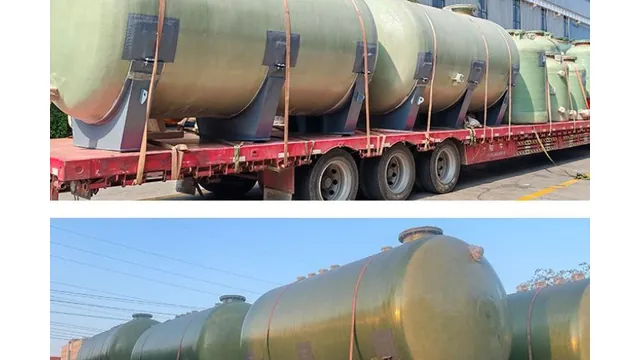
FRP Tank Thermal Insulation and Heat Tracing: A Specification Guide for Temperature-Sensitive Service

FRP Tank Thermal Insulation and Heat Tracing: A Specification Guide for Temperature-Sensitive Service

Guide to insulating and heat-tracing FRP tanks: resin temperature ceilings, insulation material selection, thickness...

อ่านต่อ →
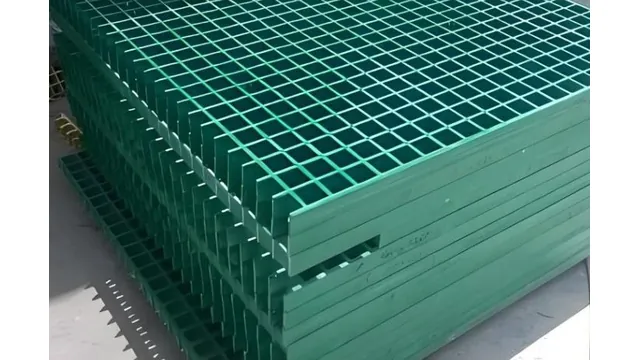
FRP Grating Decks in Cooling Towers and Water Treatment Plants: Framing, Fitting and Maintenance

FRP Grating Decks in Cooling Towers and Water Treatment Plants: Framing, Fitting and Maintenance

Framing and maintaining FRP grating decks in cooling towers and wastewater plants: zone conditions, support spacing, clips,...

อ่านต่อ →
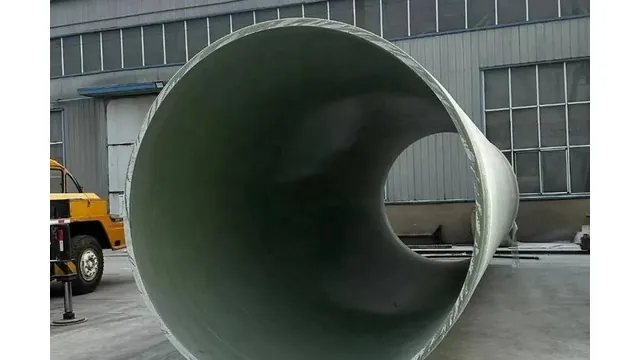
FRP Pipe Rehabilitation with Cured-in-Place Liners: Condition Assessment, Design and Curing

FRP Pipe Rehabilitation with Cured-in-Place Liners: Condition Assessment, Design and Curing

FRP pipe relining guide: degradation triggers, ASTM F1216 Appendix X1 liner thickness design, hot water, steam and UV cure...

อ่านต่อ →
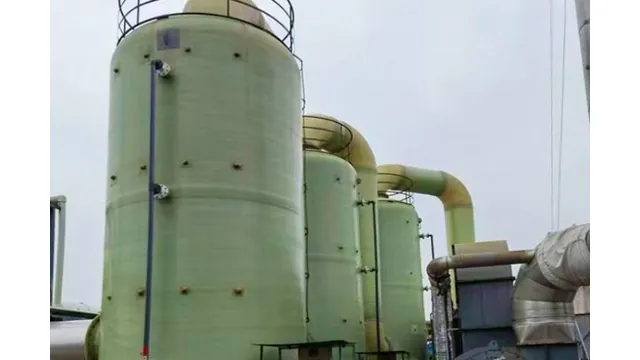
FRP Tank Agitator and Mixer Mounting: Loads, Baffles and Nozzle Reinforcement

FRP Tank Agitator and Mixer Mounting: Loads, Baffles and Nozzle Reinforcement

How to mount a top-entry agitator on an FRP tank: power and torque loads, critical speed limits, reinforced pads, baffle...

อ่านต่อ →
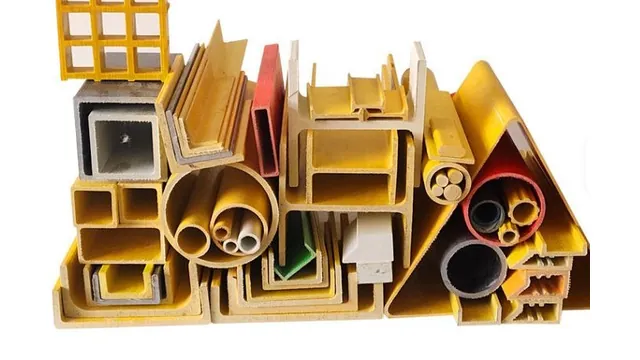
FRP Grating and Profile Machining: Drill Speeds, Blade Selection and Edge Sealing

FRP Grating and Profile Machining: Drill Speeds, Blade Selection and Edge Sealing

FRP machining guide: GFRP drill speeds of 40-80 m/min carbide and 80-120 m/min diamond, point angles that stop delamination,...

อ่านต่อ →
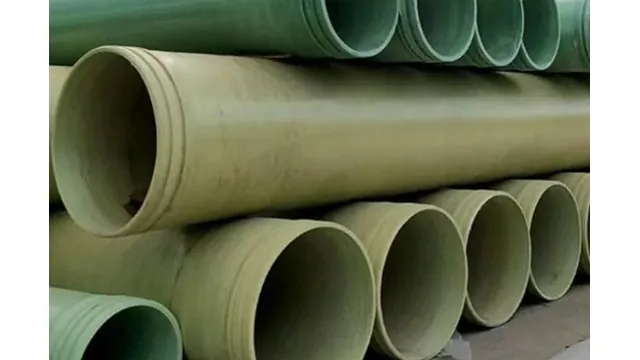
FRP Pipe for Desalination and Brine Service: Materials, Pressure and Fouling Control

FRP Pipe for Desalination and Brine Service: Materials, Pressure and Fouling Control

FRP desalination pipe guide: resin temperature ceilings, AWWA C950 and ISO 10639 pressure classes, surge design, SN stiffness...

อ่านต่อ →

Calcium Silicate Board vs Ceramic Fibre: Choosing High-Temperature Insulation and Fire Protection

Calcium Silicate Board vs Ceramic Fibre: Choosing High-Temperature Insulation and Fire Protection

Calcium silicate board versus ceramic fibre for high-temperature insulation: temperature limits, the conductivity cross-over,...

อ่านต่อ →
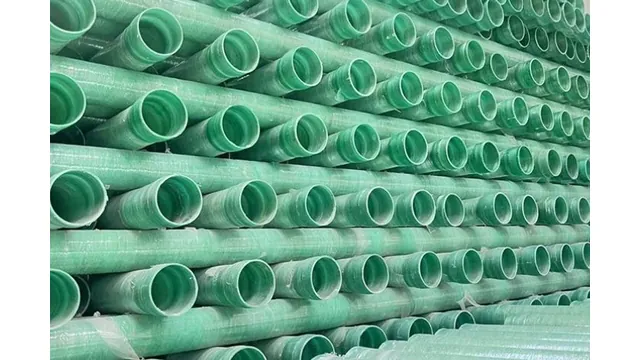
FRP and GRP Pipe Long-Term Hydrostatic Strength: ASTM D2992, HDB and the 50-Year Design Basis

FRP and GRP Pipe Long-Term Hydrostatic Strength: ASTM D2992, HDB and the 50-Year Design Basis

How the ASTM D2992 and ISO 10928 long-term hydrostatic strength basis is built, how HDB is rounded, and a DN800 pressure...

อ่านต่อ →
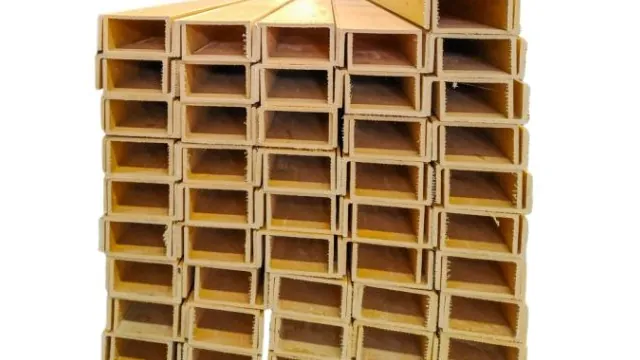
FRP Pedestrian Bridges and Boardwalk Decking: Live Loads, Deflection Limits and Vibration Control

FRP Pedestrian Bridges and Boardwalk Decking: Live Loads, Deflection Limits and Vibration Control

Design FRP footbridges and boardwalks: AASHTO and JSCE live loads, L/300 to L/500 limits, a worked 12 m pultruded span, 5 Hz...

อ่านต่อ →
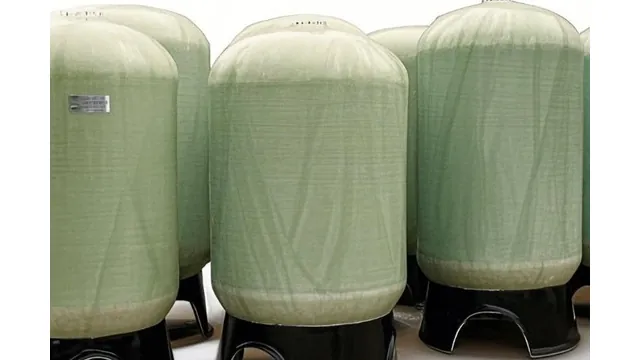
FRP Tank and Vessel Acoustic Emission Testing: ASTM E1067, ASME Article 11 and Acceptance Criteria

FRP Tank and Vessel Acoustic Emission Testing: ASTM E1067, ASME Article 11 and Acceptance Criteria

Test FRP tanks and vessels by acoustic emission: ASTM E1067 scope limits, ASME Section V Article 11 procedure, Felicity ratio...

อ่านต่อ →
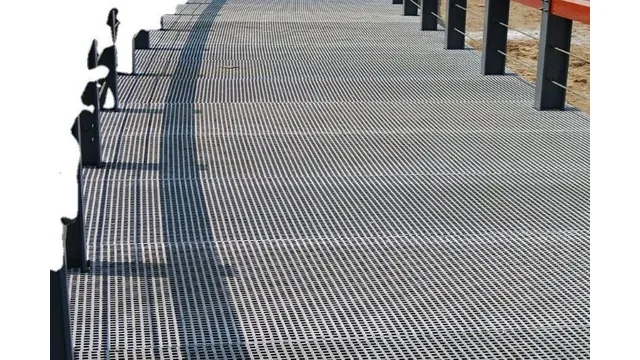
FRP Grating in Rail and Metro Stations: EN 45545-2 Fire, Smoke and Toxicity Requirements

FRP Grating in Rail and Metro Stations: EN 45545-2 Fire, Smoke and Toxicity Requirements

Qualify FRP grating for rail and metro: EN 45545-2 hazard levels, R1 and R7 test sets, R22 and R23 smoke and toxicity limits,...

อ่านต่อ →
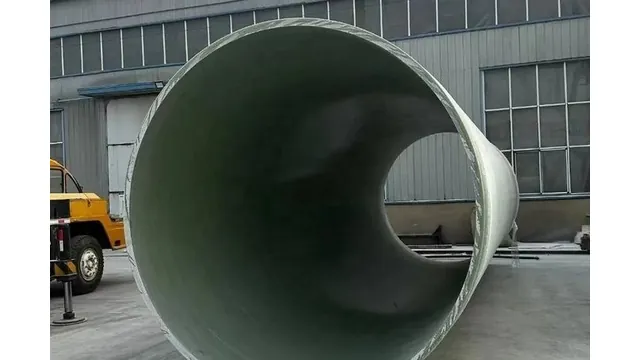
GRP Pipe Bedding, Backfill and Ring Deflection: Buried Design to EN 1295-1 and ATV-DVWK-A 127

GRP Pipe Bedding, Backfill and Ring Deflection: Buried Design to EN 1295-1 and ATV-DVWK-A 127

Design buried GRP pipe to EN 1295-1 and ATV-DVWK-A 127: soil groups and zones, bedding classes, a worked DN800 deflection...

อ่านต่อ →
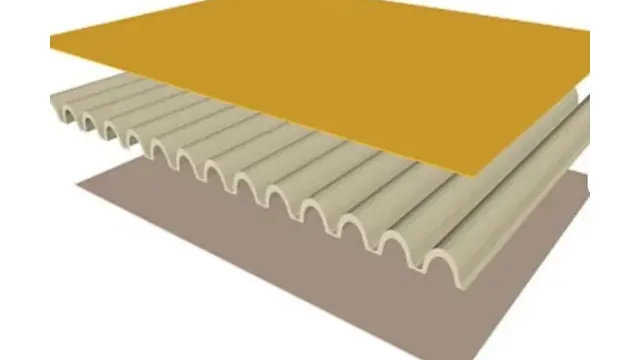
UV Weathering and Colour Stability of FRP: Gelcoat Systems, Additives and ASTM G154 Testing

UV Weathering and Colour Stability of FRP: Gelcoat Systems, Additives and ASTM G154 Testing

FRP UV weathering guide: gelcoat barrier thickness, UV absorber and HALS packages, ASTM G154 and G155 cycle selection, plus...

อ่านต่อ →
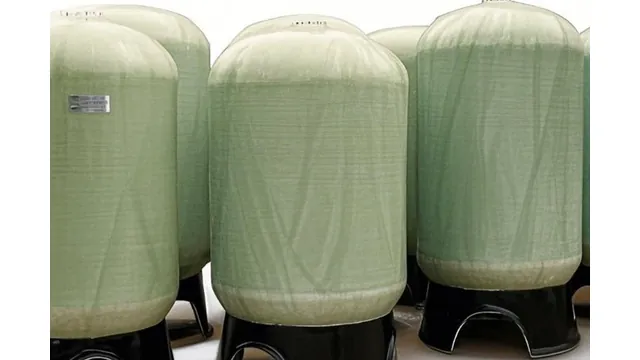
FRP Tank and Vessel Field Erection: Sectional Shells, Joint Lamination and On-Site Post-Cure

FRP Tank and Vessel Field Erection: Sectional Shells, Joint Lamination and On-Site Post-Cure

FRP tank field erection: ASTM D4097 joint overlay widths, 36-grit surface preparation, overlay lamination sequence, on-site...

อ่านต่อ →
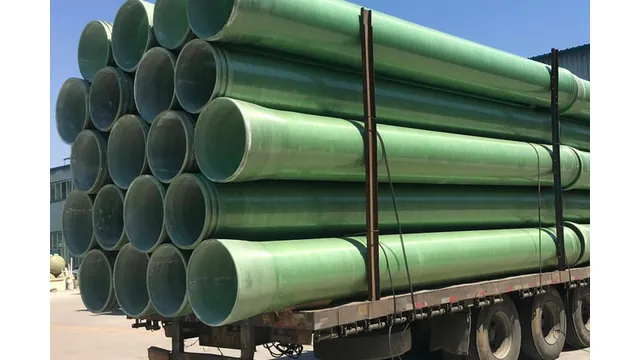
FRP Scrubber and Absorber Internals: Packing Supports, Spray Headers and Mist Eliminators

FRP Scrubber and Absorber Internals: Packing Supports, Spray Headers and Mist Eliminators

FRP scrubber internals design: packing support loads, distributor drip point density, spray header coverage and mist...

อ่านต่อ →
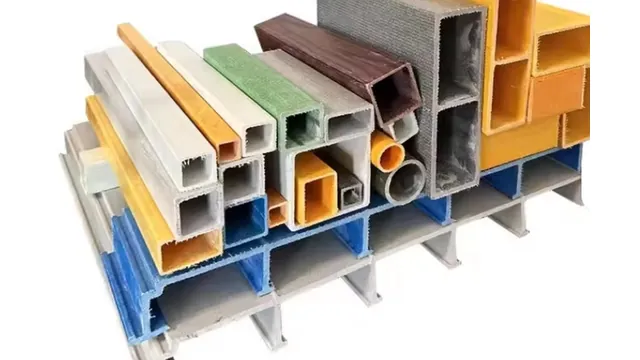
Pultruded FRP Solar Mounting Structures: Wind Uplift, Long Spans and Coastal Corrosion

Pultruded FRP Solar Mounting Structures: Wind Uplift, Long Spans and Coastal Corrosion

Pultruded FRP solar mounting design guide: ASCE 7-16 wind uplift calculation, ballast and pile sizing, deflection-governed...

อ่านต่อ →
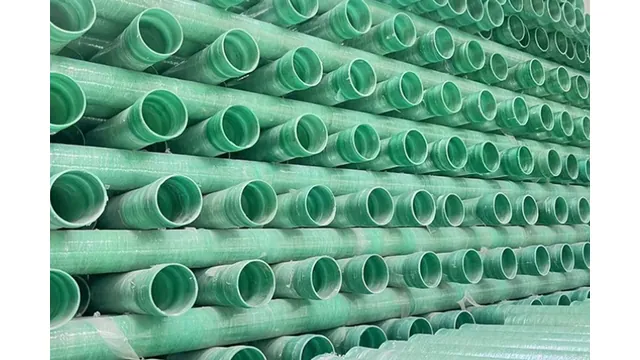
FRP and GRP Pipe for Fire Water and Deluge Systems: Ratings, Approval Paths and Pressure Testing

FRP and GRP Pipe for Fire Water and Deluge Systems: Ratings, Approval Paths and Pressure Testing

FRP and GRP fire water and deluge piping: UL 1713 pressure classes, NFPA 24 hydrostatic testing at 200 psi, 10 ft/s flushing,...

อ่านต่อ →
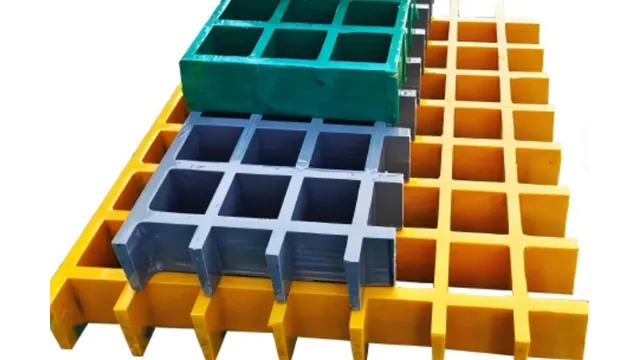
FRP Grating and Handrail Condition Assessment: Inspection Intervals, Defect Grading and Repair Triggers

FRP Grating and Handrail Condition Assessment: Inspection Intervals, Defect Grading and Repair Triggers

FRP grating and handrail condition assessment: inspection intervals by service class, ASTM D2583 Barcol hardness, defect...

อ่านต่อ →
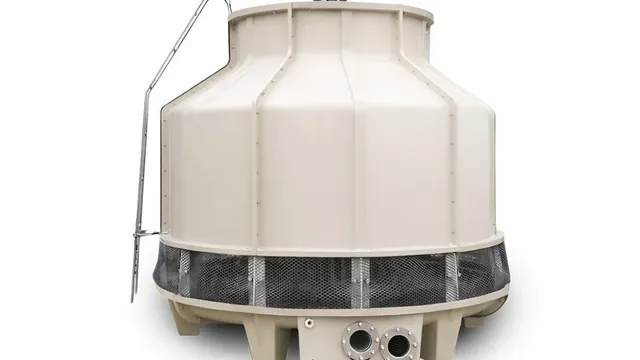
FRP Cooling Tower Winterization and Freeze Protection: Drains, Heat Tracing and Cold-Weather Operation

FRP Cooling Tower Winterization and Freeze Protection: Drains, Heat Tracing and Cold-Weather Operation

Protect FRP cooling towers in winter: drain-down strategy, basin heaters and heat tracing, insulation, cold-weather fan...

อ่านต่อ →
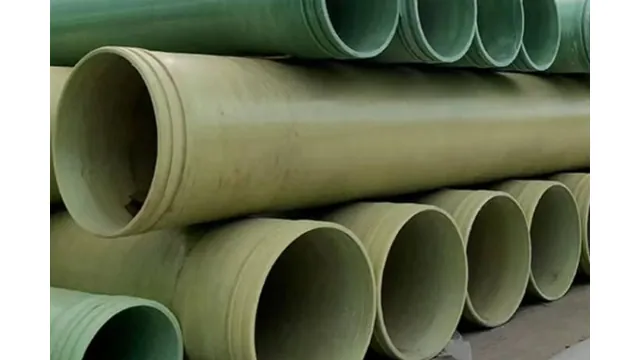
GRP Pipe Jacking and Sliplining: Trenchless Installation for Sewers and Culverts

GRP Pipe Jacking and Sliplining: Trenchless Installation for Sewers and Culverts

GRP jacking and sliplining design guide: ISO 25780 permissible jacking force, joint deflection limits, sliplining capacity...

อ่านต่อ →
Dual-Laminate FRP Equipment: PP, PVC and PVDF Thermoplastic Liners for Aggressive Chemical Service

Dual-Laminate FRP Equipment: PP, PVC and PVDF Thermoplastic Liners for Aggressive Chemical Service

Dual-laminate FRP tanks and pipes compared: PP, PVC-C, PVDF and fluoropolymer liners, EN 13121-3 bond requirements, liner...

อ่านต่อ →
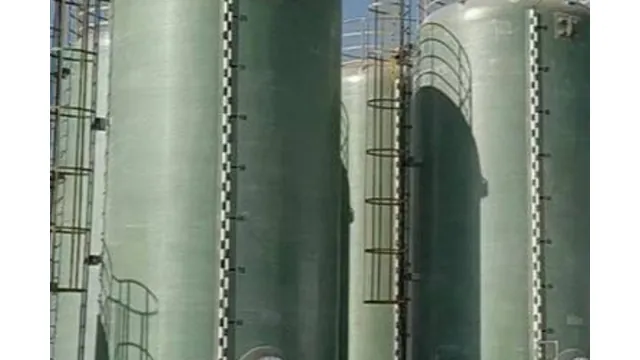
Gel Coat and Corrosion Barrier Liner Design for FRP Tanks: Resin Rich Layers That Last

Gel Coat and Corrosion Barrier Liner Design for FRP Tanks: Resin Rich Layers That Last

Design the corrosion barrier of FRP tanks: gel coat vs resin-rich liners, veil and C-glass layers, liner thickness by chemical...

อ่านต่อ →
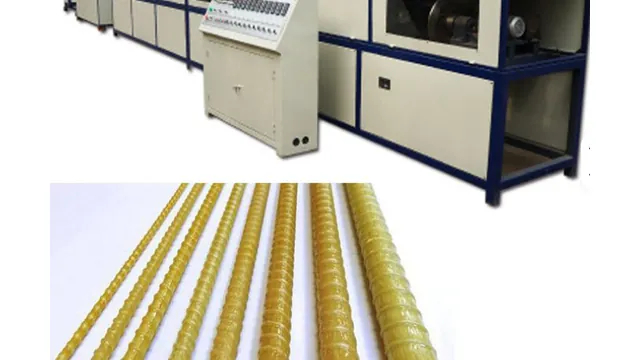
FRP Rebar for Reinforced Concrete: ACI 440.1R Design Basis and Site Handling

FRP Rebar for Reinforced Concrete: ACI 440.1R Design Basis and Site Handling

Design concrete with GFRP rebar per ACI 440.1R: material properties, modulus and deflection effects, crack control, shear...

อ่านต่อ →

Ceramic Fiber Paper, Textiles and Expansion Joint Seals: Gaskets and High-Temperature Gaps

Ceramic Fiber Paper, Textiles and Expansion Joint Seals: Gaskets and High-Temperature Gaps

Select ceramic fiber paper, cloth, tape and rope: temperature grades, density and thickness choices, gasket and expansion...

อ่านต่อ →
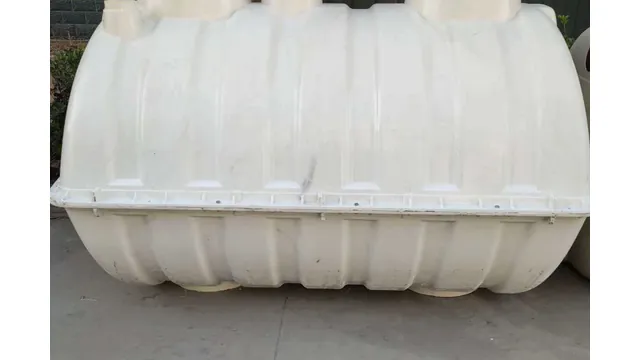
FRP Septic and Sewage Treatment Tanks: Sizing, Groundwater and Installation Practice

FRP Septic and Sewage Treatment Tanks: Sizing, Groundwater and Installation Practice

Sizing and installing underground FRP/GRP septic and sewage treatment tanks: per-person capacity, buoyancy anchoring, bedding,...

อ่านต่อ →
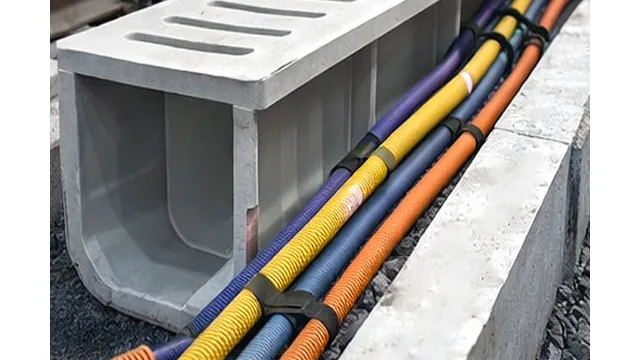
Pultruded FRP Cable Tray Systems for Corrosive Environments: Selection, Spans and Earthing

Pultruded FRP Cable Tray Systems for Corrosive Environments: Selection, Spans and Earthing

Pultruded FRP/GRP cable ladder and tray: choosing sizes and classes, span and load rules, fittings, stainless fixings,...

อ่านต่อ →
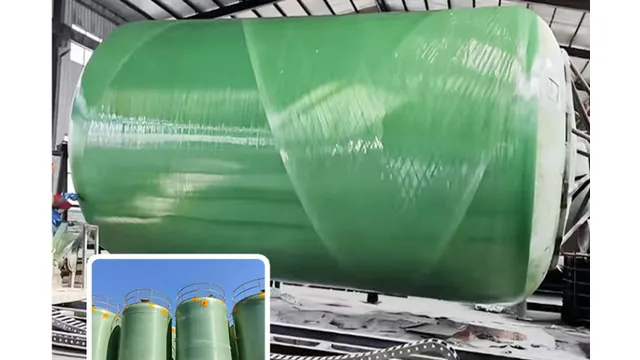
FRP Equipment Shipping and Packing for Export: Saddles, Nesting and Container Loading

FRP Equipment Shipping and Packing for Export: Saddles, Nesting and Container Loading

How to pack FRP tanks, ducts, gratings and machinery for sea export: saddles, nesting, crating, container loading plans,...

อ่านต่อ →
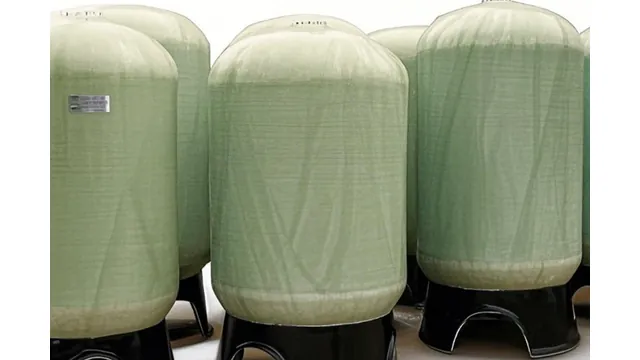
Potable Water Approval for FRP Tanks and Pipes: WRAS, NSF/ANSI 61 and Taste-Neutral Liners

Potable Water Approval for FRP Tanks and Pipes: WRAS, NSF/ANSI 61 and Taste-Neutral Liners

How FRP tanks and pipes gain potable water approval: WRAS, NSF/ANSI 61 testing, taste and odour control in liners, cured resin...

อ่านต่อ →
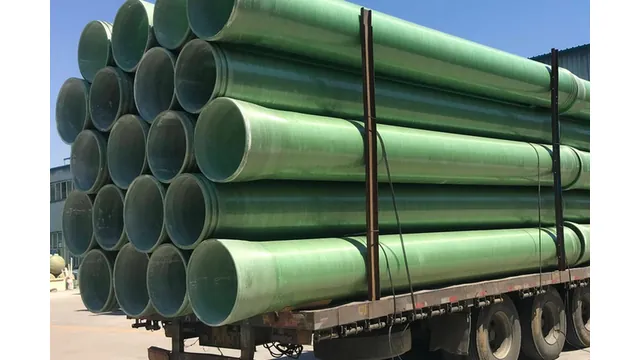
FRP Duct and Hood Fabrication: Thickness, Stiffeners and Support for Large Spans

FRP Duct and Hood Fabrication: Thickness, Stiffeners and Support for Large Spans

FRP/GRP duct and hood fabrication: wall thickness by size and pressure class, stiffener rings, support spacing for large...

อ่านต่อ →

Refractory Anchor Systems for Castable and Fibre Linings: Alloys, Spacing and Expansion Joints

Refractory Anchor Systems for Castable and Fibre Linings: Alloys, Spacing and Expansion Joints

Select refractory anchors by temperature and lining type: 304/310/Inconel alloys, V/Y/stud anchors for castable, ceramic fibre...

อ่านต่อ →
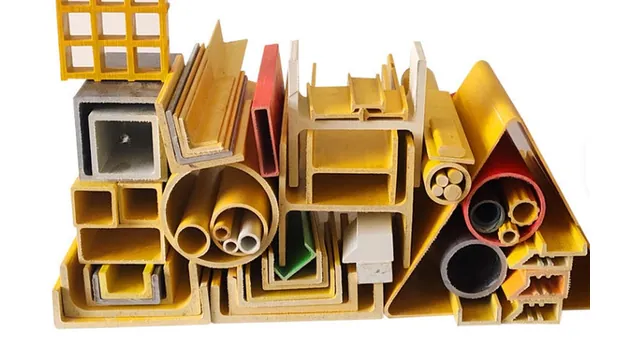
FRP Structural Bolted Connections: Bolt Grades, Edge Distance and Bearing Design

FRP Structural Bolted Connections: Bolt Grades, Edge Distance and Bearing Design

Design bolted connections in pultruded FRP structures: failure modes, bolt materials, edge distance rules, bearing capacity...

อ่านต่อ →
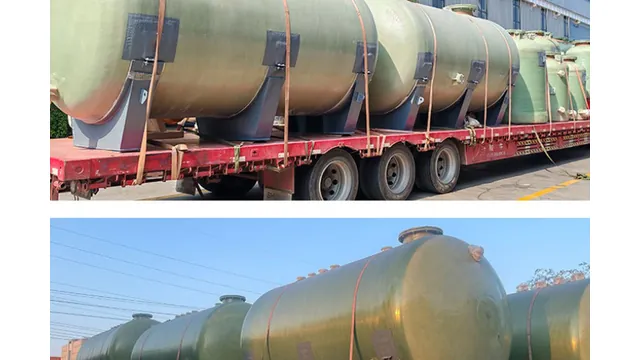
FRP Tank Nozzle and Manway Design: Reinforcement, Gaskets and Bolt Torque

FRP Tank Nozzle and Manway Design: Reinforcement, Gaskets and Bolt Torque

FRP/GRP tank nozzle reinforcement, manway sizing, gasket materials for chemicals, flange bolt torque sequence and leak...

อ่านต่อ →
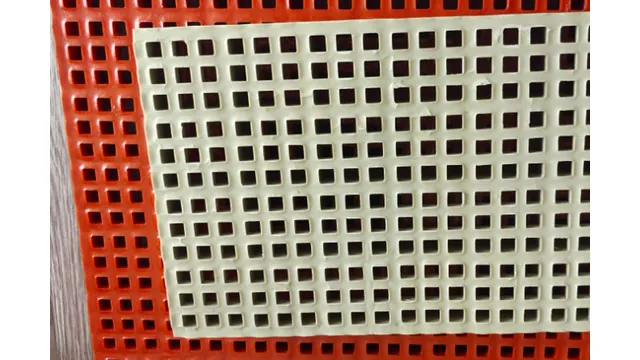
FRP Grating Fabrication and Installation: Field Cutting, Edge Sealing and Clip Fixing

FRP Grating Fabrication and Installation: Field Cutting, Edge Sealing and Clip Fixing

How to cut molded FRP grating on site, seal cut edges, choose and space clips, bear panels correctly on supports, and finish...

อ่านต่อ →
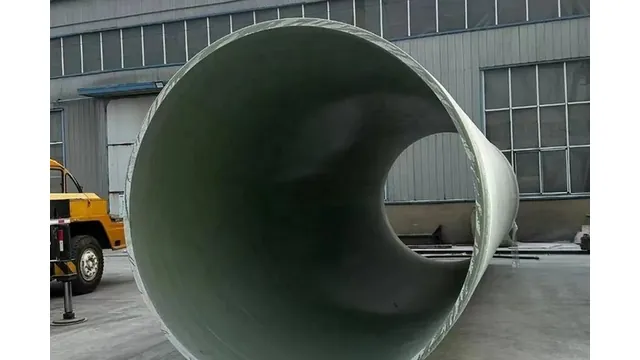
FRP Pipe Support Spacing and Hanger Design: Spans, Saddles and Thermal Movement

FRP Pipe Support Spacing and Hanger Design: Spans, Saddles and Thermal Movement

Recommended FRP/GRP pipe support spans by diameter, saddle and wear pad design, guides vs anchors, and thermal movement...

อ่านต่อ →
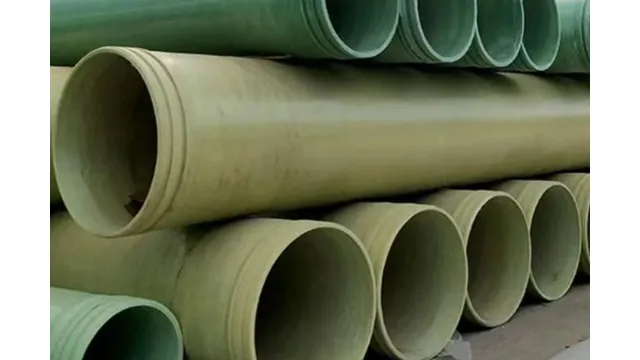
Filament Winding Angle Design for FRP Pressure Pipes and Tanks: Helical vs Hoop Layers

Filament Winding Angle Design for FRP Pressure Pipes and Tanks: Helical vs Hoop Layers

How winding angle sets hoop and axial strength in filament wound GRP pipes and tanks: ASTM D2996 design basis, ISO 14692...

อ่านต่อ →
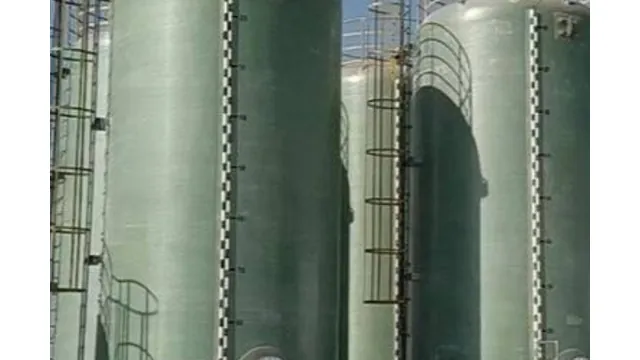
FRP Resin Selection for Chemical Equipment: Vinyl Ester vs Isophthalic and Orthophthalic Polyester

FRP Resin Selection for Chemical Equipment: Vinyl Ester vs Isophthalic and Orthophthalic Polyester

Vinyl ester vs isophthalic and orthophthalic polyester for FRP tanks and pipes: chemical resistance by medium, temperature...

อ่านต่อ →
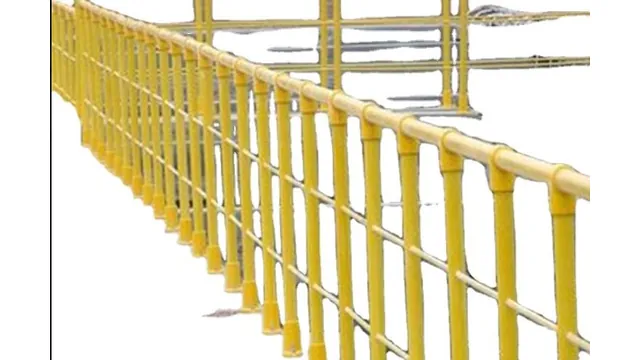
FRP Ladder and Cage Access Systems: OSHA and EN ISO 14122 Design Rules

FRP Ladder and Cage Access Systems: OSHA and EN ISO 14122 Design Rules

OSHA 1910.23 fixed ladder dimensions, the 1910.28(b)(9) cage phase-out dates and EN ISO 14122-4 cage geometry, with pultruded...

อ่านต่อ →

Rock Wool vs Foam Board Insulation: Fire, Moisture and Acoustic Performance

Rock Wool vs Foam Board Insulation: Fire, Moisture and Acoustic Performance

Stone wool against EPS, XPS, PIR and phenolic board: EN 13501-1 reaction to fire, declared lambda and ageing, vapour...

อ่านต่อ →
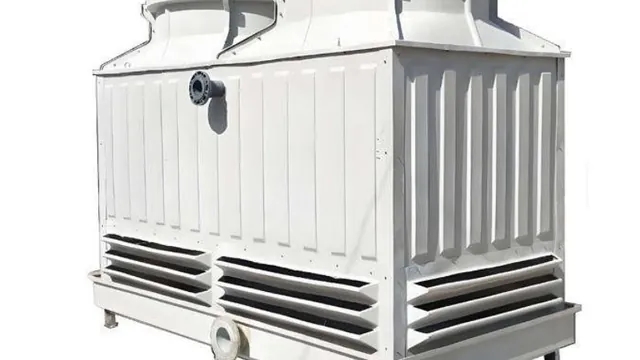
Counter-Flow vs Cross-Flow FRP Cooling Towers: Thermal Performance and Selection

Counter-Flow vs Cross-Flow FRP Cooling Towers: Thermal Performance and Selection

How counter-flow and cross-flow FRP cooling towers differ in approach, fill geometry, fan power, drift and footprint, with a...

อ่านต่อ →
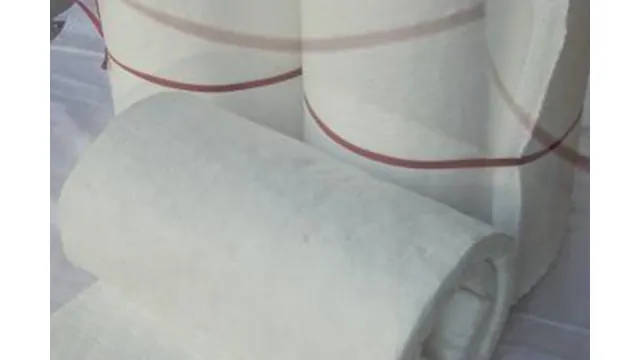
Ceramic Fiber Module Furnace Linings: Anchoring, Expansion and Installation Practice

Ceramic Fiber Module Furnace Linings: Anchoring, Expansion and Installation Practice

Module types, anchor alloys and stud welding, compression and expansion allowances, heat-up schedules and inspection practice...

อ่านต่อ →
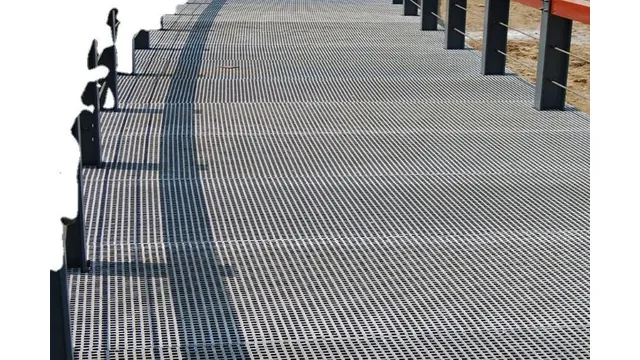
FRP Grating Fire Resistance: Flame Spread, Smoke and Choosing Class 1 Panels

FRP Grating Fire Resistance: Flame Spread, Smoke and Choosing Class 1 Panels

How FRP grating is fire-tested: ASTM E84 flame spread and smoke classes, molded vs pultruded behaviour, Class 1 meanings by...

อ่านต่อ →
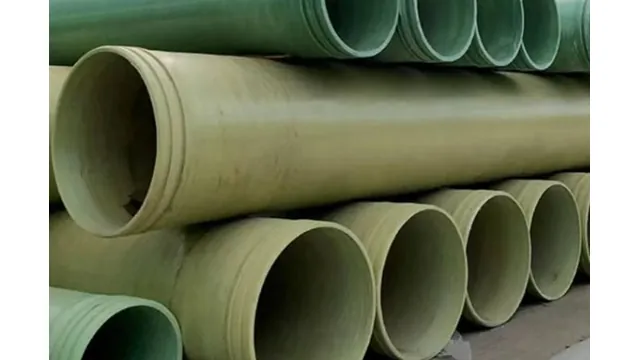
FRP Pipe Installation and Pressure Testing: Jointing, Supports and Field Acceptance

FRP Pipe Installation and Pressure Testing: Jointing, Supports and Field Acceptance

Step-by-step FRP/GRP pipe installation: storage, trench bedding, joint methods and adhesive procedure, support spacing tables,...

อ่านต่อ →

FRP Electrical Insulation: 3240 Epoxy Glass Laminates, Tubes and Components

FRP Electrical Insulation: 3240 Epoxy Glass Laminates, Tubes and Components

Specify FRP electrical insulation: 3240 epoxy glass laminate properties and equivalents, machined components, insulating tubes...

อ่านต่อ →
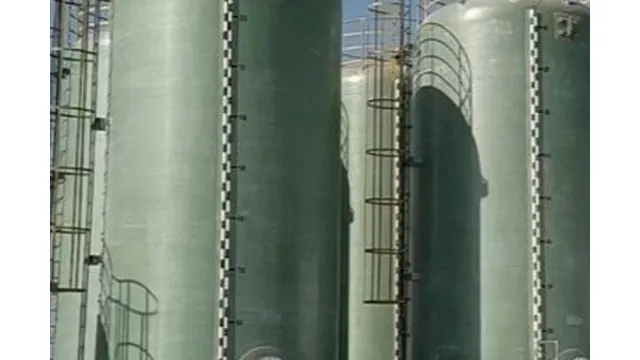
FRP in Mining and Mineral Processing: Piping, Tanks and Structures for Abrasive-Corrosive Duty

FRP in Mining and Mineral Processing: Piping, Tanks and Structures for Abrasive-Corrosive Duty

FRP in mining plants: corrosive-acidic, abrasive slurry duty handled with filament-wound pipes, vinyl-ester reagent tanks,...

อ่านต่อ →
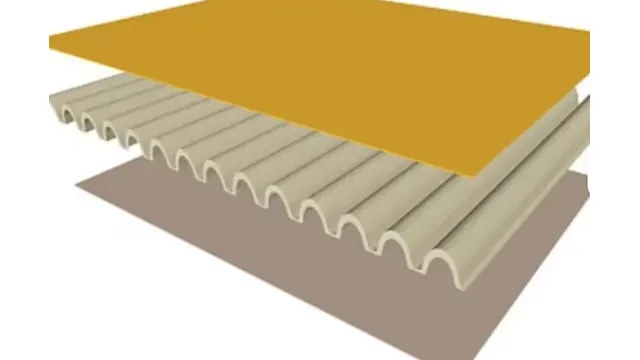
FRP Sandwich Panels: Honeycomb, Rock-Wool Core and Solid Laminate Compared

FRP Sandwich Panels: Honeycomb, Rock-Wool Core and Solid Laminate Compared

FRP sandwich panels explained: honeycomb and corrugated cores for stiffness, rock wool cores for fire and thermal, solid...

อ่านต่อ →
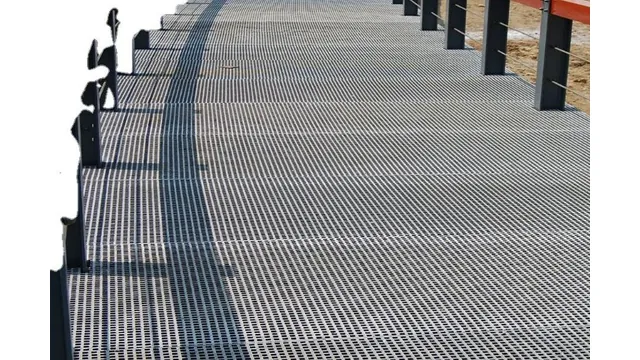
FRP in Food & Beverage Factories: Washdown-Proof Walkways, Drainage and Structures

FRP in Food & Beverage Factories: Washdown-Proof Walkways, Drainage and Structures

Washdown-proof your food plant with FRP: grit-surface grating floors, hygienic drainage channels, pultruded platforms and...

อ่านต่อ →
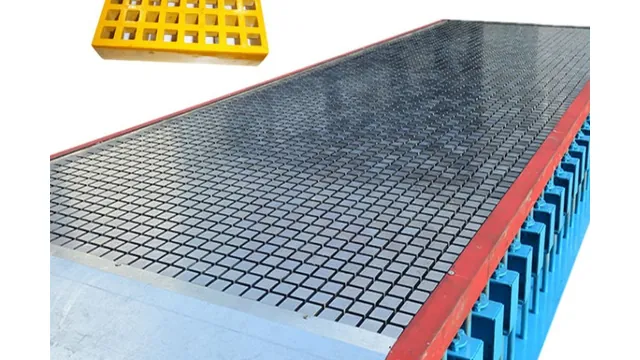
Molded vs Pultruded FRP Grating: Process, Properties and How to Choose

Molded vs Pultruded FRP Grating: Process, Properties and How to Choose

Molded vs pultruded FRP grating: manufacturing processes, glass content and load direction, span capability, cut-out...

อ่านต่อ →
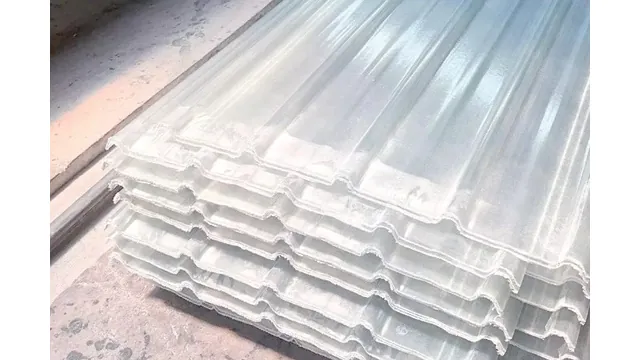
FRP Daylighting Panels: Corrugated Roof Sheets and Skylight Panel Selection

FRP Daylighting Panels: Corrugated Roof Sheets and Skylight Panel Selection

Select FRP daylighting panels: corrugated and twin-wall types, transmission and diffusion choices, UV protection systems, fire...

อ่านต่อ →

High-Alumina Bricks for Cement Kilns: Grade Selection by Zone

High-Alumina Bricks for Cement Kilns: Grade Selection by Zone

Select high-alumina refractory bricks by cement kiln zone: Al2O3 grades, preheating to burning zone mapping, transition zone...

อ่านต่อ →

Rock Wool vs Ceramic Fiber: Which Insulation for Your Furnace?

Rock Wool vs Ceramic Fiber: Which Insulation for Your Furnace?

Rock wool vs ceramic fiber insulation: where the 650°C boundary falls, property comparison, cost logic, graded lining...

อ่านต่อ →

Passive Cable Fire Protection: Blankets, Coatings and Putty

Passive Cable Fire Protection: Blankets, Coatings and Putty

Protect cables passively: intumescent coatings, ceramic fiber wraps for circuit integrity, penetration putty seals and route...

อ่านต่อ →
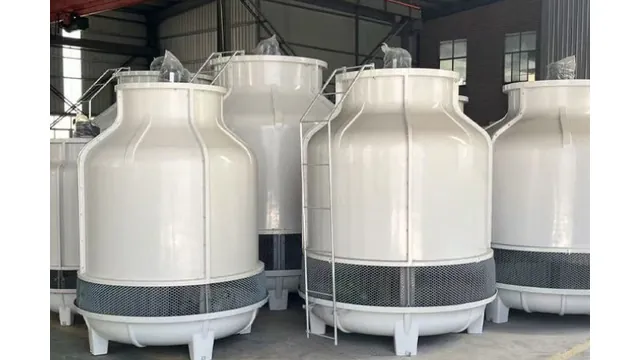
FRP Cooling Tower Fill and Components: Maintenance for Efficiency

FRP Cooling Tower Fill and Components: Maintenance for Efficiency

Keep FRP cooling towers at nameplate efficiency: fill types and failure modes, nozzle and drift eliminator maintenance,...

อ่านต่อ →

Ceramic Fiber Blanket vs Board vs Module: Choosing the Form

Ceramic Fiber Blanket vs Board vs Module: Choosing the Form

Choose ceramic fiber forms correctly: blanket for backup and curves, board for hot faces and machining, modules for furnace...

อ่านต่อ →
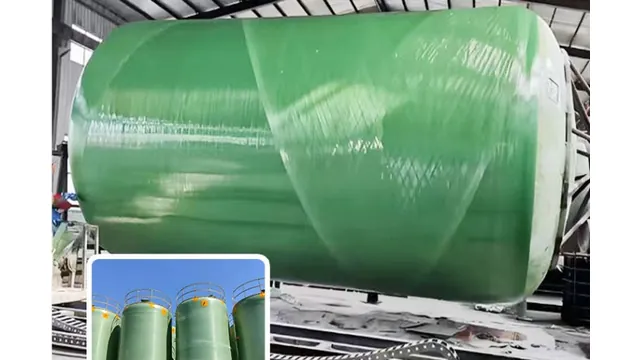
Setting Up an FRP Pipe Production Line: Equipment and Layout

Setting Up an FRP Pipe Production Line: Equipment and Layout

Plan an FRP pipe production line: product range definition, equipment chain from creels to hydrotest, one-way layout and...

อ่านต่อ →
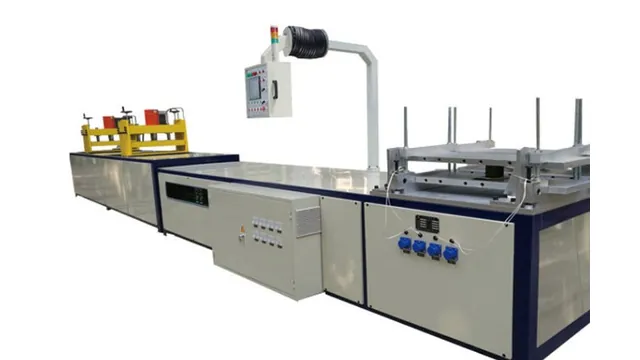
GFRP Rebar Pultrusion: Raw Materials and QC Checklist

GFRP Rebar Pultrusion: Raw Materials and QC Checklist

GFRP rebar pultrusion explained: AR-glass and vinyl ester material selection, process variables, ASTM D7957 and ACI 440...

อ่านต่อ →
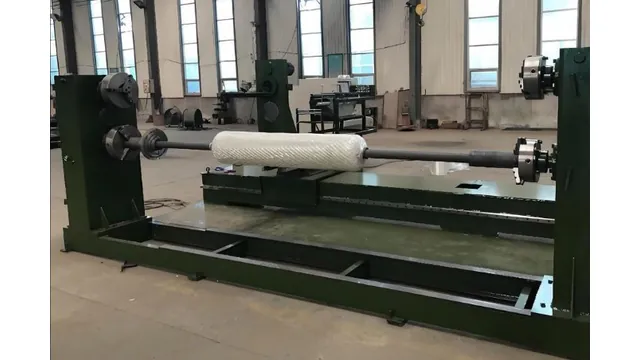
FRP Filament Winding Machine Buyer's Guide: 4-Axis vs Automatic vs CNC

FRP Filament Winding Machine Buyer's Guide: 4-Axis vs Automatic vs CNC

How to buy an FRP filament winding machine: 4-axis vs automatic vs CNC classes, matching machine to pipes, tanks and poles,...

อ่านต่อ →
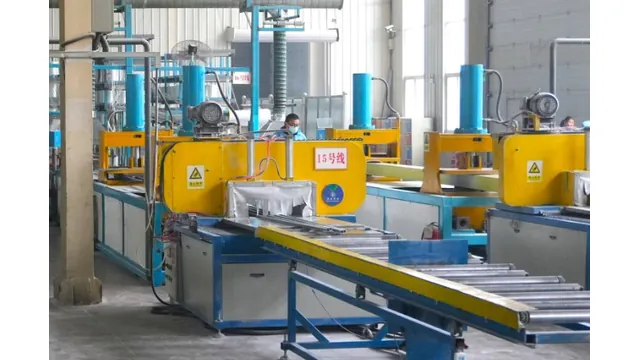
Pultrusion Machine Guide: Heating Zones, Pulling Speed and Dies

Pultrusion Machine Guide: Heating Zones, Pulling Speed and Dies

How to specify a pultrusion machine: heating zone profiles for polyester and vinyl ester, pulling speed limits by section, die...

อ่านต่อ →
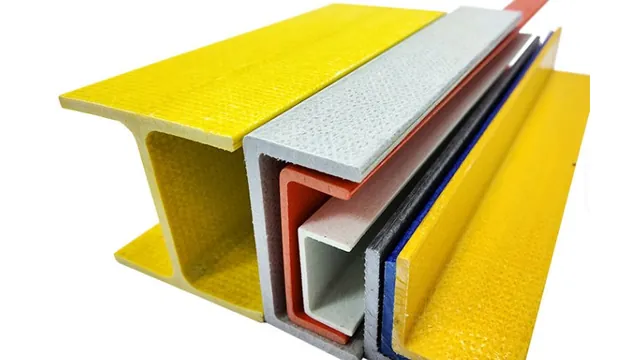
FRP vs Wood vs Aluminum for Outdoor Structures: An Honest Comparison

FRP vs Wood vs Aluminum for Outdoor Structures: An Honest Comparison

FRP vs wood vs aluminum for outdoor structures compared: property table, aging and corrosion, stiffness and deflection,...

อ่านต่อ →
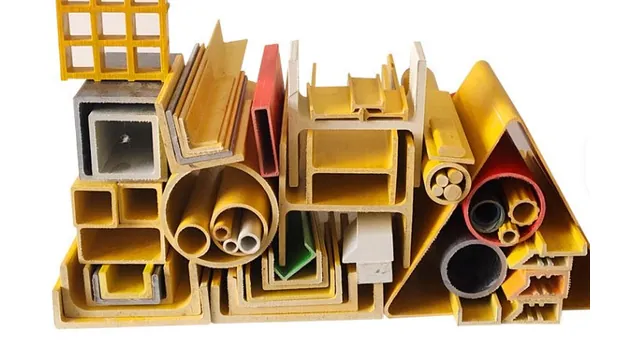
Custom Pultruded Profiles: Tooling, Tolerances and Minimum Quantities

Custom Pultruded Profiles: Tooling, Tolerances and Minimum Quantities

Specify custom pultruded FRP profiles with confidence: die tooling costs and lead times, design inputs for manufacturability,...

อ่านต่อ →
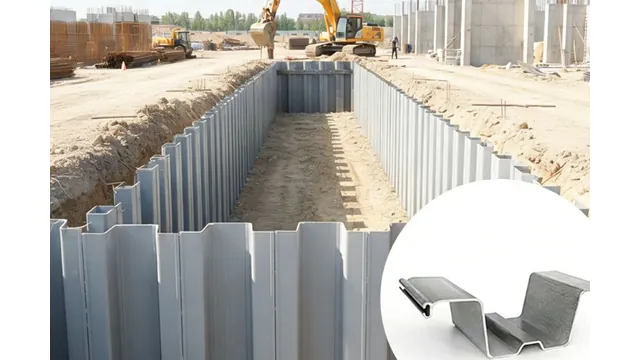
FRP Sheet Pile Retaining Walls: Design and Installation Guide

FRP Sheet Pile Retaining Walls: Design and Installation Guide

Design and install FRP sheet pile retaining walls: U/Z/wave profiles, section modulus, cantilever heights, interlock types and...

อ่านต่อ →
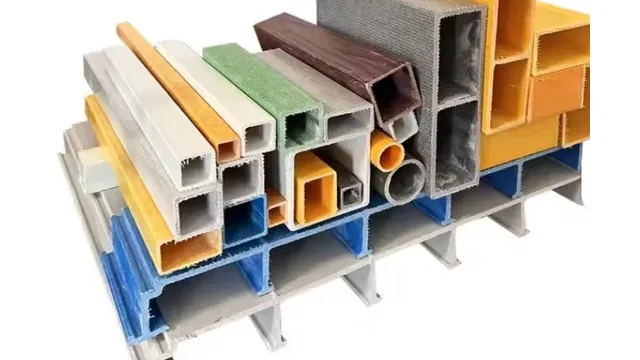
FRP Profiles for Wastewater Treatment Plants: What Engineers Specify

FRP Profiles for Wastewater Treatment Plants: What Engineers Specify

FRP profiles in wastewater treatment plants: H2S corrosion zones, pultruded structural shapes, resin selection by exposure,...

อ่านต่อ →
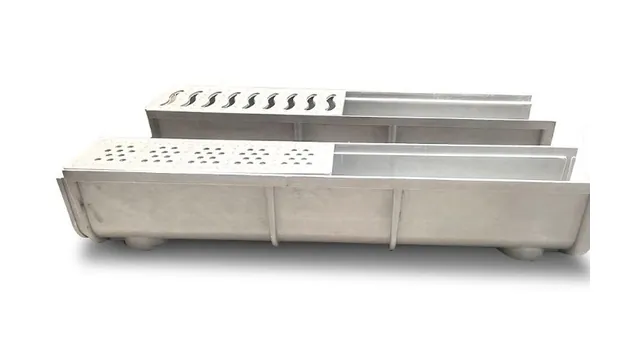
FRP Drainage Channels and Grates for Industrial Flooring

FRP Drainage Channels and Grates for Industrial Flooring

How to specify FRP drainage channels and grates for industrial flooring: channel types, grate openings, EN 124 load classes,...

อ่านต่อ →
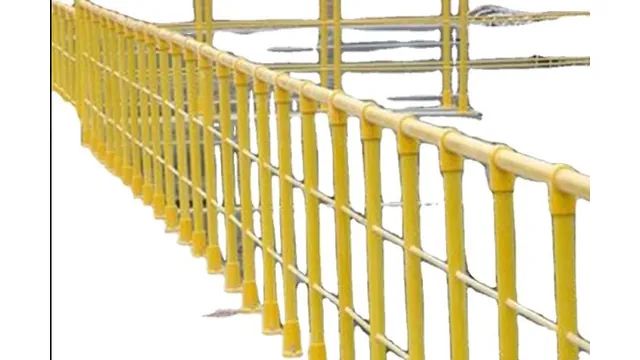
FRP Handrail Systems: Code Heights, Loads and Material Choice

FRP Handrail Systems: Code Heights, Loads and Material Choice

Specify FRP handrail systems correctly: IBC/OSHA/EN ISO 14122 heights, 200 lb top-rail loads, FRP vs steel vs aluminum, post...

อ่านต่อ →
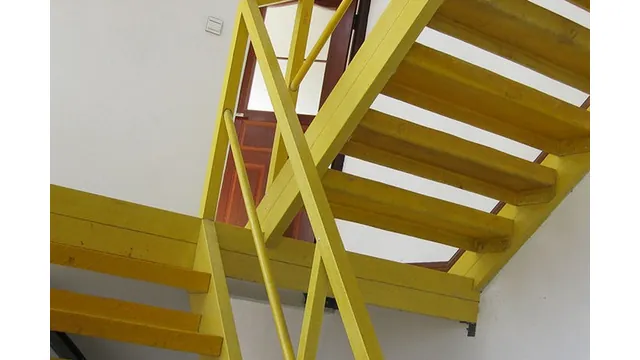
FRP Stair Tread Slip Resistance: Standards, Grit Surfaces and ASTM E303

FRP Stair Tread Slip Resistance: Standards, Grit Surfaces and ASTM E303

How to specify slip-resistant FRP stair treads: ASTM E303 pendulum PTV bands, DCOF, molded grit vs bonded nosing, outdoor and...

อ่านต่อ →
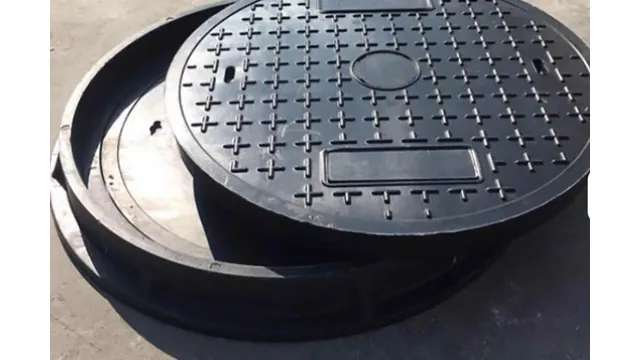
FRP Manhole Covers vs Cast Iron: Weight, Load Class and Theft Resistance

FRP Manhole Covers vs Cast Iron: Weight, Load Class and Theft Resistance

FRP (SMC) manhole covers vs ductile and cast iron compared: weight and handling, EN 124 / AASHTO load classes, H2S corrosion,...

อ่านต่อ →
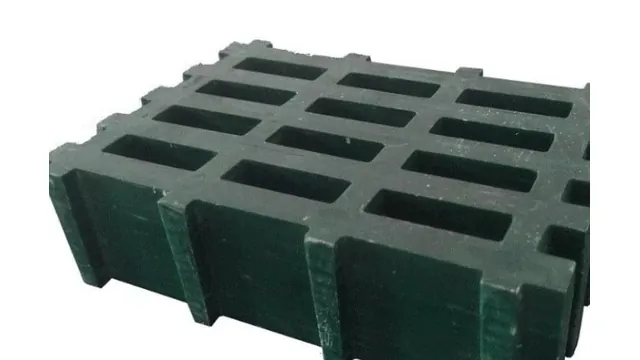
FRP Grating Load Tables: Reading Uniform and Concentrated Loads

FRP Grating Load Tables: Reading Uniform and Concentrated Loads

How to read FRP grating load tables: uniform vs concentrated load, deflection limit L/100, molded vs pultruded direction,...

อ่านต่อ →
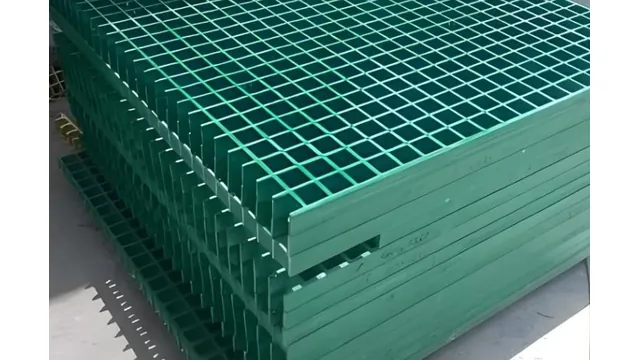
FRP Grating vs Steel Grating: Total Cost of Ownership in Chemical Plants

FRP Grating vs Steel Grating: Total Cost of Ownership in Chemical Plants

Total cost of ownership: FRP vs galvanized steel grating in chemical plants - repaint cycles, acid-fume corrosion,...

อ่านต่อ →
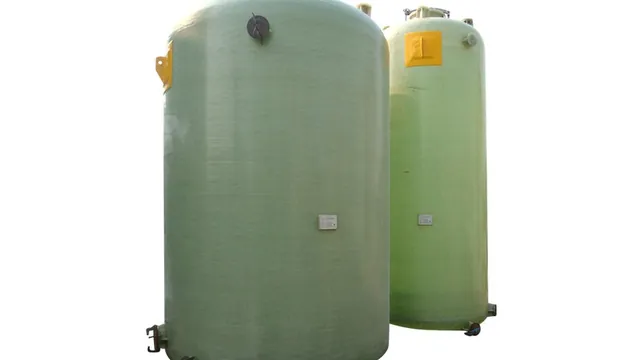
Above-Ground vs Buried FRP Tanks: Which Installation Wins?

Above-Ground vs Buried FRP Tanks: Which Installation Wins?

Above-ground vs buried FRP storage tanks compared: inspection and repair access, groundwater floatation of empty buried tanks,...

อ่านต่อ →
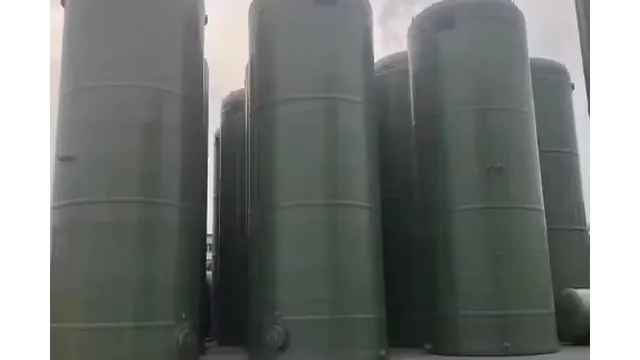
FRP Tank Repair: Cracks, Surface Damage and Relining

FRP Tank Repair: Cracks, Surface Damage and Relining

Repair FRP storage tanks correctly: assess cosmetic vs structural damage, match the resin system, grind and feather, repair...

อ่านต่อ →
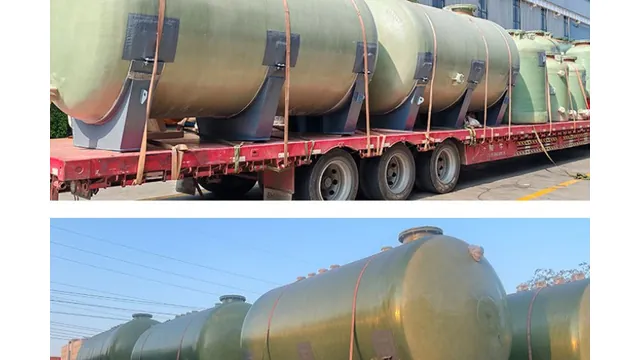
FRP vs Steel vs Concrete Water Tanks: A 10-Year Cost Comparison

FRP vs Steel vs Concrete Water Tanks: A 10-Year Cost Comparison

10-year cost comparison of FRP, coated steel and concrete water tanks: first cost vs recoating and repair cycles, installation...

อ่านต่อ →
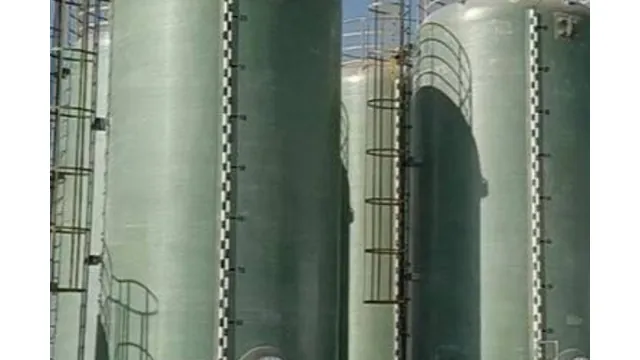
FRP Chemical Storage Tank Safety: Containment, Venting and Bunding

FRP Chemical Storage Tank Safety: Containment, Venting and Bunding

FRP chemical storage tank safety: bund and secondary containment capacity, vent and emergency relief sizing, incompatible...

อ่านต่อ →
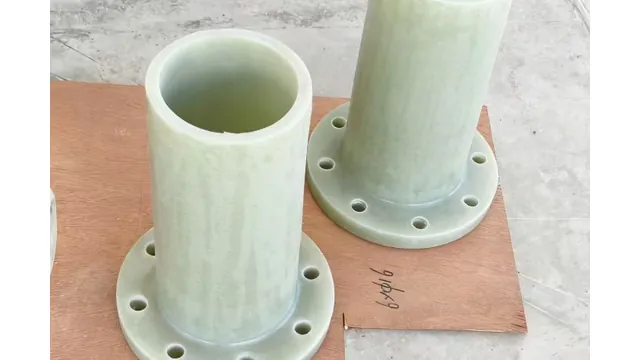
FRP Flanges and Fittings: Matching Ratings to Your Pipeline

FRP Flanges and Fittings: Matching Ratings to Your Pipeline

Match FRP flanges and fittings to pipe pressure class: flange types, ANSI/DIN bolt patterns, full-face gaskets, torque values,...

อ่านต่อ →
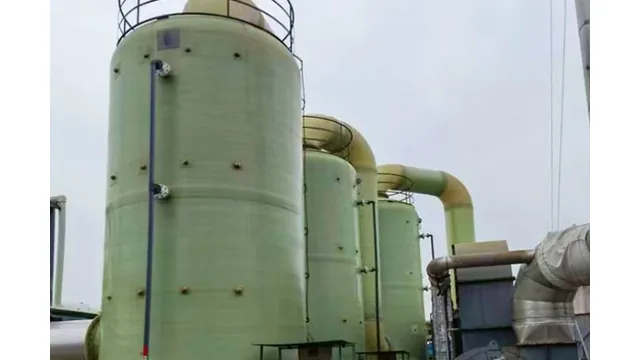
FRP Vertical Storage Tank Guide: Foundations, Wind Loads and Accessories

FRP Vertical Storage Tank Guide: Foundations, Wind Loads and Accessories

Specify and install vertical FRP storage tanks: shell proportions, liquid-head wall scheduling, flat pad foundations,...

อ่านต่อ →
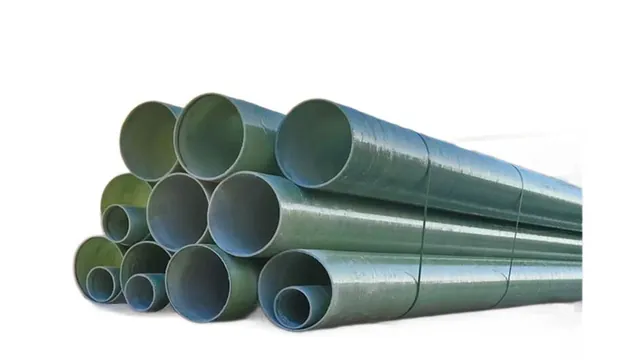
FRP Flue and Chimney Liners for Corrosive Exhaust: Design and Specification Notes

FRP Flue and Chimney Liners for Corrosive Exhaust: Design and Specification Notes

Design FRP flue and stack liners for corrosive exhaust: acid dew point zones, resin temperature limits, corrosion barrier with...

อ่านต่อ →
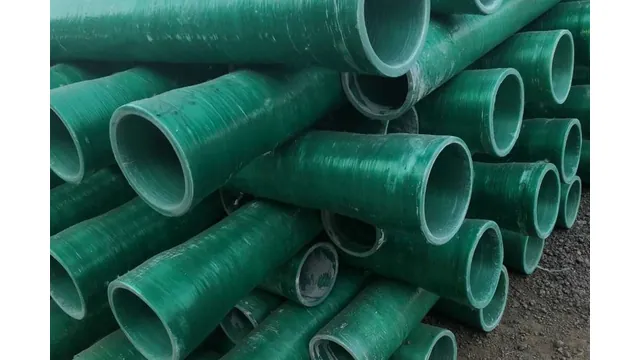
FRP Conduit vs PVC vs Steel for Underground Cable Protection

FRP Conduit vs PVC vs Steel for Underground Cable Protection

Underground cable conduit compared: FRP vs PVC vs steel on crush strength, soil corrosion, non-magnetic behaviour for...

อ่านต่อ →
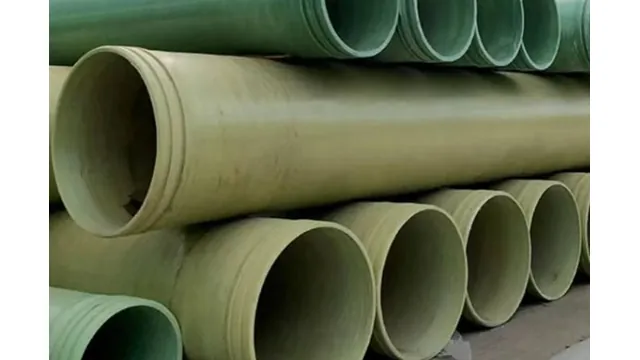
FRP Pipe vs HDPE Pipe: Pressure, Corrosion and Cost Compared

FRP Pipe vs HDPE Pipe: Pressure, Corrosion and Cost Compared

FRP/GRP vs HDPE pipe compared: long-term pressure strength, chlorinated water and temperature limits, large-diameter...

อ่านต่อ →
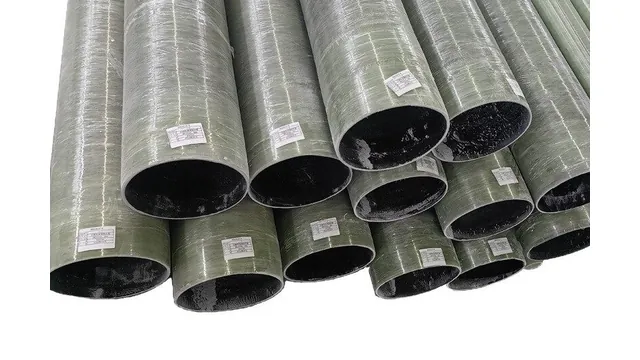
Antistatic FRP Pipes for Explosive Atmospheres: Static Dissipation Explained

Antistatic FRP Pipes for Explosive Atmospheres: Static Dissipation Explained

Antistatic FRP/GRP pipe for explosive atmospheres: how conductive laminate drains static, surface resistivity classes, ASTM...

อ่านต่อ →
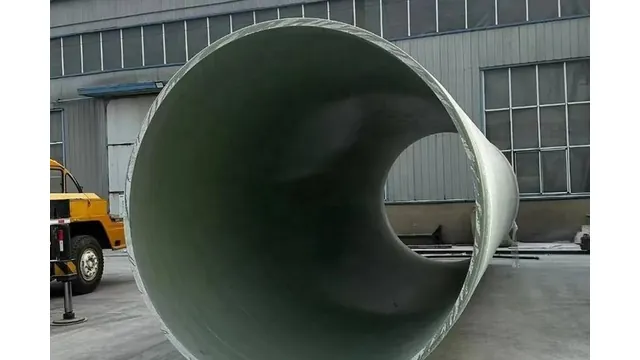
How to Select FRP Pipe Diameter and Wall Thickness: Flow, Pressure and Laminate Build-Up

How to Select FRP Pipe Diameter and Wall Thickness: Flow, Pressure and Laminate Build-Up

How to select FRP/GRP pipe diameter by flow velocity and wall thickness by pressure: read DN/PN/SN call-outs, liner vs...

อ่านต่อ →
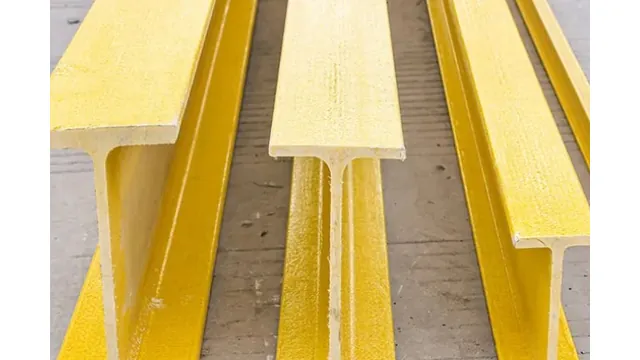
Pultruded FRP Profiles for Structural Applications: Shapes, Design Notes and Fixing Best Practice

Pultruded FRP Profiles for Structural Applications: Shapes, Design Notes and Fixing Best Practice

How engineers use pultruded FRP profiles for structures: section families, FRP vs steel design differences (stiffness,...

อ่านต่อ →
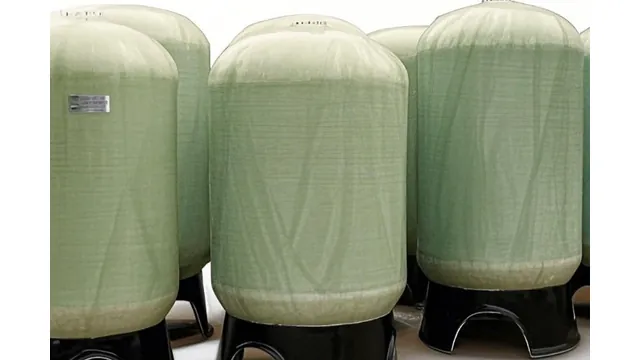
FRP Storage Tank Transport and Installation: Cradles, Foundations, Connections and Hydrotesting

FRP Storage Tank Transport and Installation: Cradles, Foundations, Connections and Hydrotesting

Install FRP storage tanks safely: transport on padded cradles, 48-hour arrival inspection, foundation and saddle design,...

อ่านต่อ →
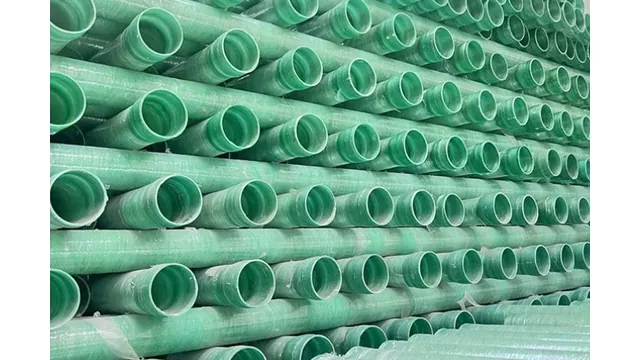
How to Specify GRP/FRP Pipes Correctly: Pressure Ratings, Stiffness, Standards and Joints

How to Specify GRP/FRP Pipes Correctly: Pressure Ratings, Stiffness, Standards and Joints

How to specify GRP/FRP pipes: resin and liner selection, pressure class, SN ring stiffness, joint types, AWWA C950 / EN 1796...

อ่านต่อ →

Refractory Materials Selection Guide: High-Alumina Bricks vs Ceramic Fiber vs Castables

Refractory Materials Selection Guide: High-Alumina Bricks vs Ceramic Fiber vs Castables

Compare high-alumina bricks, ceramic fiber blankets/boards and castables for furnace and kiln linings: practical temperature...

อ่านต่อ →
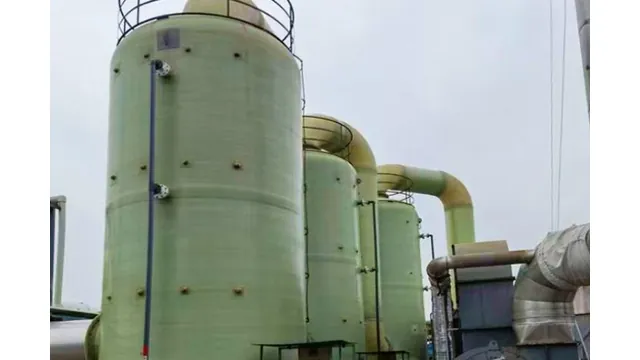
FRP vs Stainless Steel: Which Material Should You Choose for Tanks, Pipes and Industrial Equipment?

FRP vs Stainless Steel: Which Material Should You Choose for Tanks, Pipes and Industrial Equipment?

FRP vs stainless steel for tanks, pipes and industrial equipment: corrosion resistance, weight, temperature limits, cost and a...

อ่านต่อ →
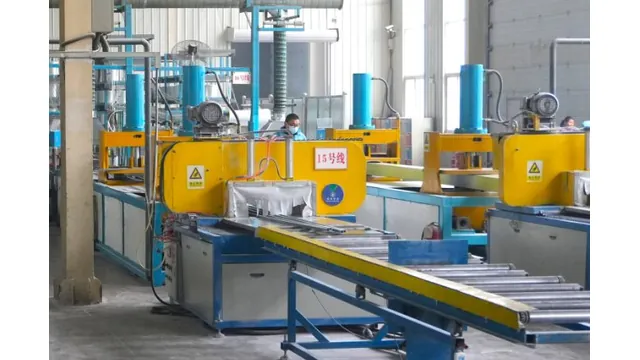
How FRP Products Are Made: Filament Winding, Pultrusion and Molding Processes Explained

How FRP Products Are Made: Filament Winding, Pultrusion and Molding Processes Explained

Understand FRP manufacturing processes - filament winding, pultrusion, compression molding and centrifugal casting - which...

อ่านต่อ →
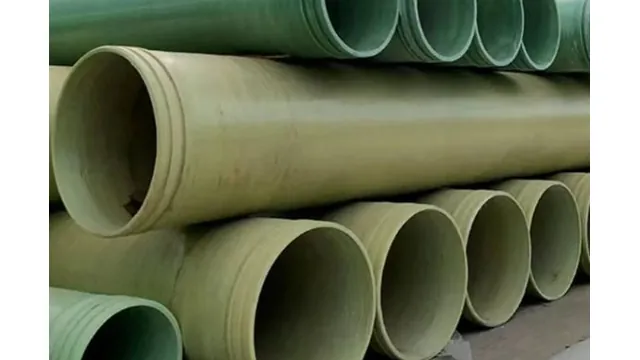
Importing FRP Products from China: A Buyer's Guide to Specifications, MOQs, HS Codes, Inspection and Shipping

Importing FRP Products from China: A Buyer's Guide to Specifications, MOQs, HS Codes, Inspection and Shipping

How to import FRP products from China: write a correct specification, verify real factories, understand MOQs and payment...

อ่านต่อ →
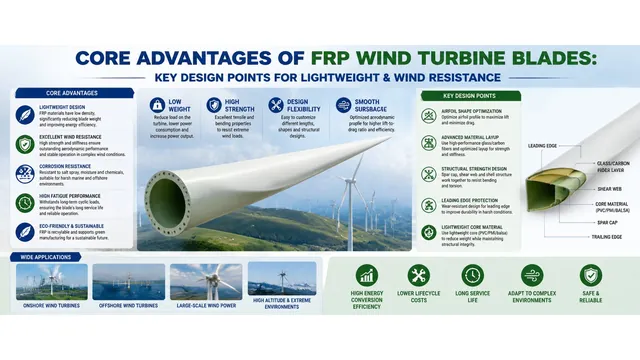
Core Advantages of FRP Wind Turbine Blades: Key Design Points for Lightweight & Wind Resistance

Core Advantages of FRP Wind Turbine Blades: Key Design Points for Lightweight & Wind Resistance

Learn core design advantages of Huangang FRP wind turbine blades, including fiberglass material composition, lightweight...

อ่านต่อ →
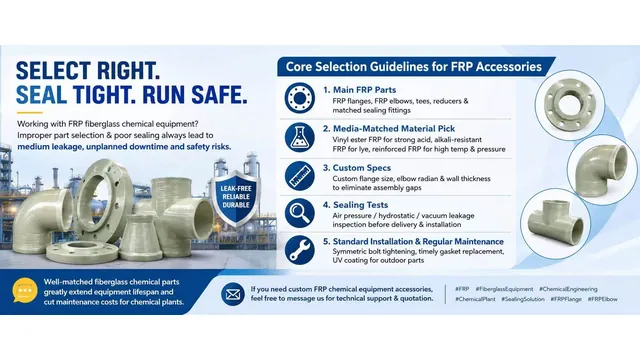
Fiberglass Chemical Equipment Parts Selection

Fiberglass Chemical Equipment Parts Selection

Learn professional fiberglass chemical equipment parts selection tips, including FRP flange, elbow classification,...

อ่านต่อ →
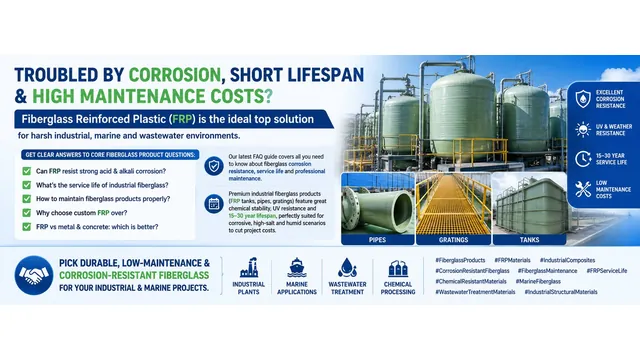
Fiberglass Product FAQs

Fiberglass Product FAQs

Looking for professional answers to fiberglass product questions? This guide covers fiberglass acid & alkali corrosion...

อ่านต่อ →
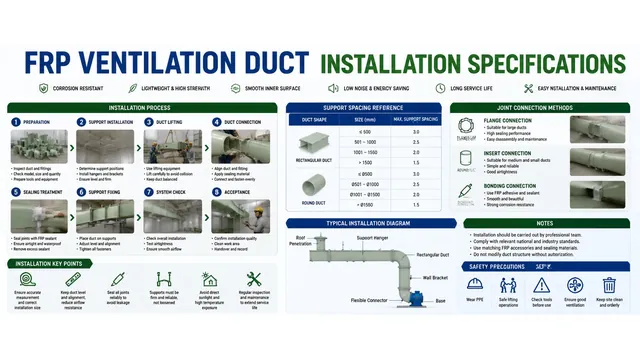
FRP Ventilation Duct Installation Specifications

FRP Ventilation Duct Installation Specifications

Learn complete FRP ventilation duct installation specifications, including duct sizing selection, air resistance control,...

อ่านต่อ →
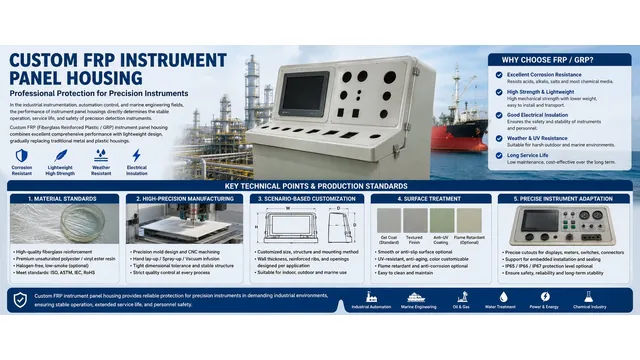
Custom FRP Instrument Panel Housing

Custom FRP Instrument Panel Housing

Key Insights on Material Selection, Precision Control and Perfect Adaptability

อ่านต่อ →

Small Fiberglass Boat Maintenance Tips

Small Fiberglass Boat Maintenance Tips

Extend Service Life and Improve Navigation Safety

อ่านต่อ →
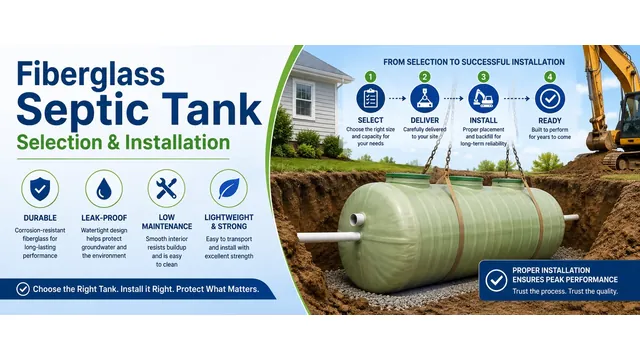
Fiberglass Septic Tank Selection & Installation

Fiberglass Septic Tank Selection & Installation

Eco-Friendly Solutions for Residential and Rural Scenarios

อ่านต่อ →
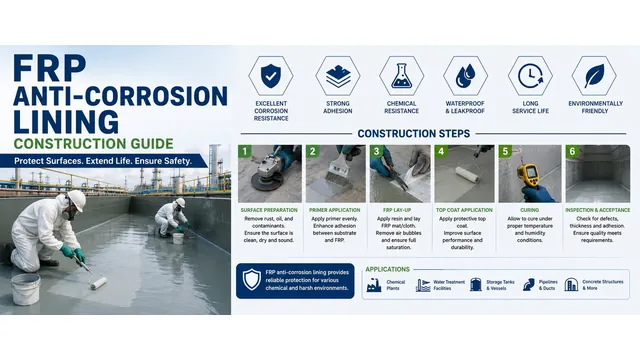
FRP Anti-Corrosion Lining Construction Guide

FRP Anti-Corrosion Lining Construction Guide

Anti-Corrosion Solutions for Different Industrial Equipment

อ่านต่อ →
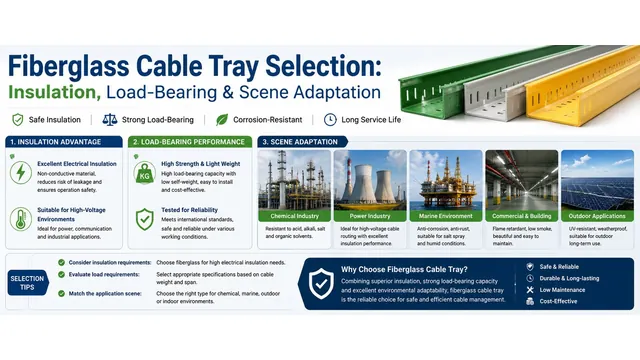
Fiberglass Cable Tray Selection: Insulation, Load-Bearing & Scene Adaptation

Fiberglass Cable Tray Selection: Insulation, Load-Bearing & Scene Adaptation

Fiberglass cable trays feature outstanding corrosion resistance and insulation, widely applied in power and construction...

อ่านต่อ →
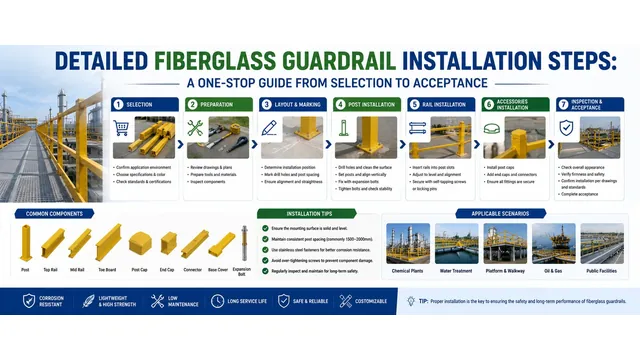
Detailed Fiberglass Guardrail Installation Steps: A One-Stop Guide From Selection to Acceptance

Detailed Fiberglass Guardrail Installation Steps: A One-Stop Guide From Selection to Acceptance

FRP fiberglass guardrails are ideal safety barriers for industrial, commercial and residential use. Corrosion-proof,...

อ่านต่อ →
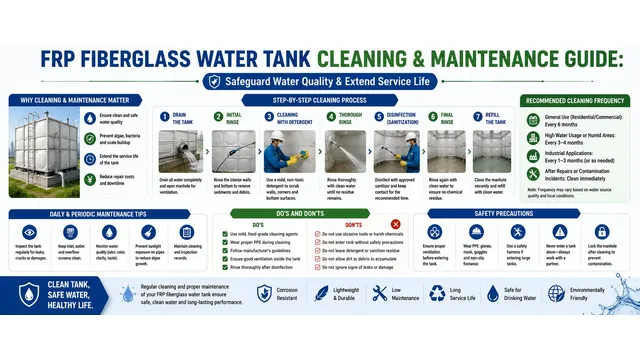
FRP Fiberglass Water Tank Cleaning & Maintenance Guide: Safeguard Water Quality&Extend Service Life

FRP Fiberglass Water Tank Cleaning & Maintenance Guide: Safeguard Water Quality&Extend Service Life

FRP (fiberglass-reinforced plastic) water tanks have become the preferred storage solution for residential, commercial,...

อ่านต่อ →
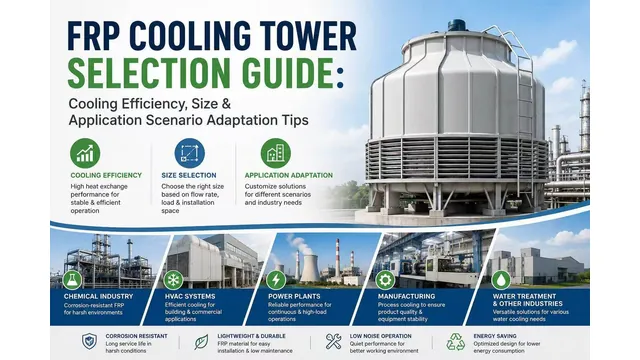
FRP Cooling Tower Selection Guide: Cooling Efficiency, Size & Application Scenario Adaptation Tips

FRP Cooling Tower Selection Guide: Cooling Efficiency, Size & Application Scenario Adaptation Tips

FRP cooling towers are essential industrial heat dissipation equipment, favored across power, chemical and manufacturing...

อ่านต่อ →
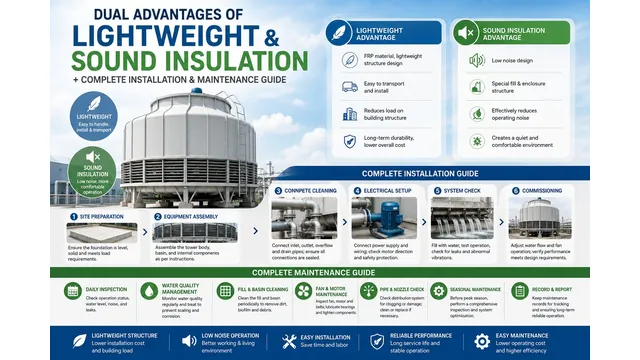
Dual Advantages of Lightweight & Sound Insulation + Complete Installation & Maintenance Guide

Dual Advantages of Lightweight & Sound Insulation + Complete Installation & Maintenance Guide

In industrial ventilation, wastewater treatment, chemical plants, and commercial buildings, FRP (Fiberglass Reinforced...

อ่านต่อ →
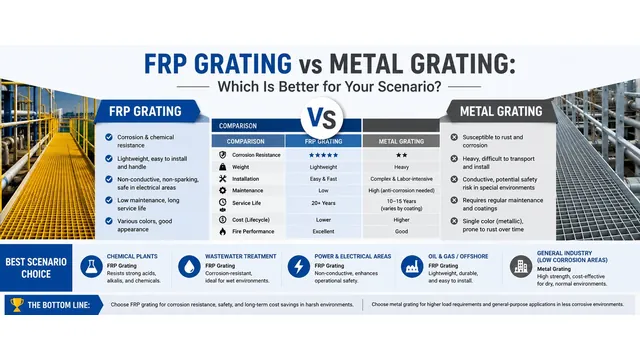
FRP Grating vs Metal Grating: Which Is Better for Your Scenario?

FRP Grating vs Metal Grating: Which Is Better for Your Scenario?

Cost Comparison: Initial Investment vs Long-term Investment, Which Is More Cost-effective?

อ่านต่อ →
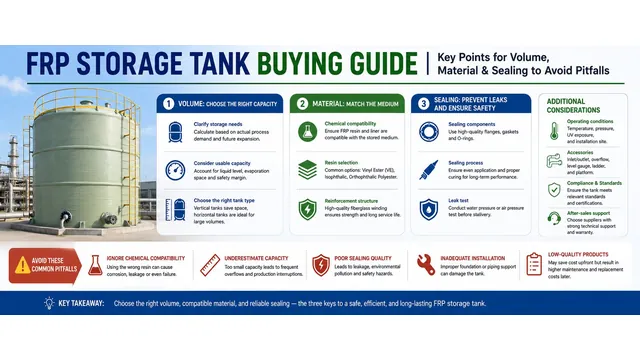
FRP Storage Tank Buying Guide | Key Points for Volume, Material & Sealing to Avoid Pitfalls

FRP Storage Tank Buying Guide | Key Points for Volume, Material & Sealing to Avoid Pitfalls

FRP (Fiberglass Reinforced Plastic) storage tanks are widely applied in chemical, environmental protection, municipal...

อ่านต่อ →
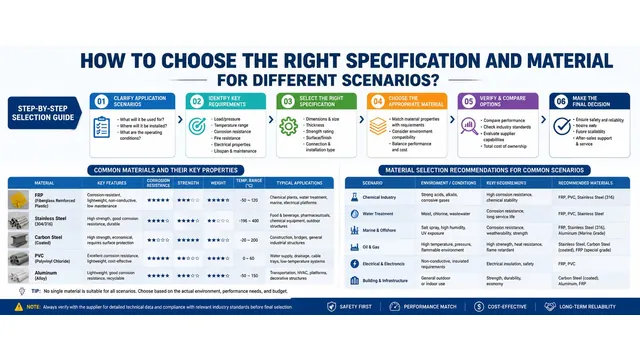
How to Choose the Right Specification and Material for Different Scenarios?

How to Choose the Right Specification and Material for Different Scenarios?

Fiberglass Reinforced Plastic (FRP) pipes have become the preferred choice in water supply and drainage, chemical industry,...

อ่านต่อ →
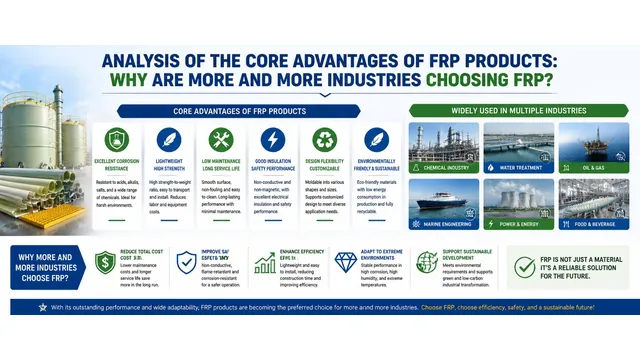
Analysis of the Core Advantages of FRP Products: Why Are More and More Industries Choosing FRP?

Analysis of the Core Advantages of FRP Products: Why Are More and More Industries Choosing FRP?

In various fields such as industrial manufacturing, municipal construction, new energy, and marine engineering, a new type of...

อ่านต่อ →
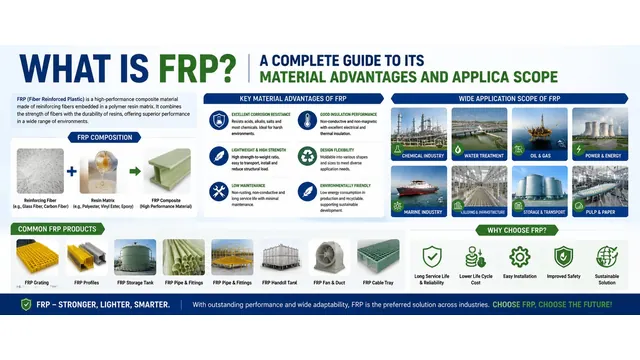
What is FRP? A Complete Guide to Its Material Advantages and Applica Scope

What is FRP? A Complete Guide to Its Material Advantages and Applica Scope

When it comes to FRP (Fiberglass Reinforced Plastic), many people mistakenly think it is "glass + steel". In fact, it is...

อ่านต่อ →